Biophilia
why choose biophilic design?
Embrace the power of biophilic design and let the natural beauty of Western Red Cedar enrich your surroundings.
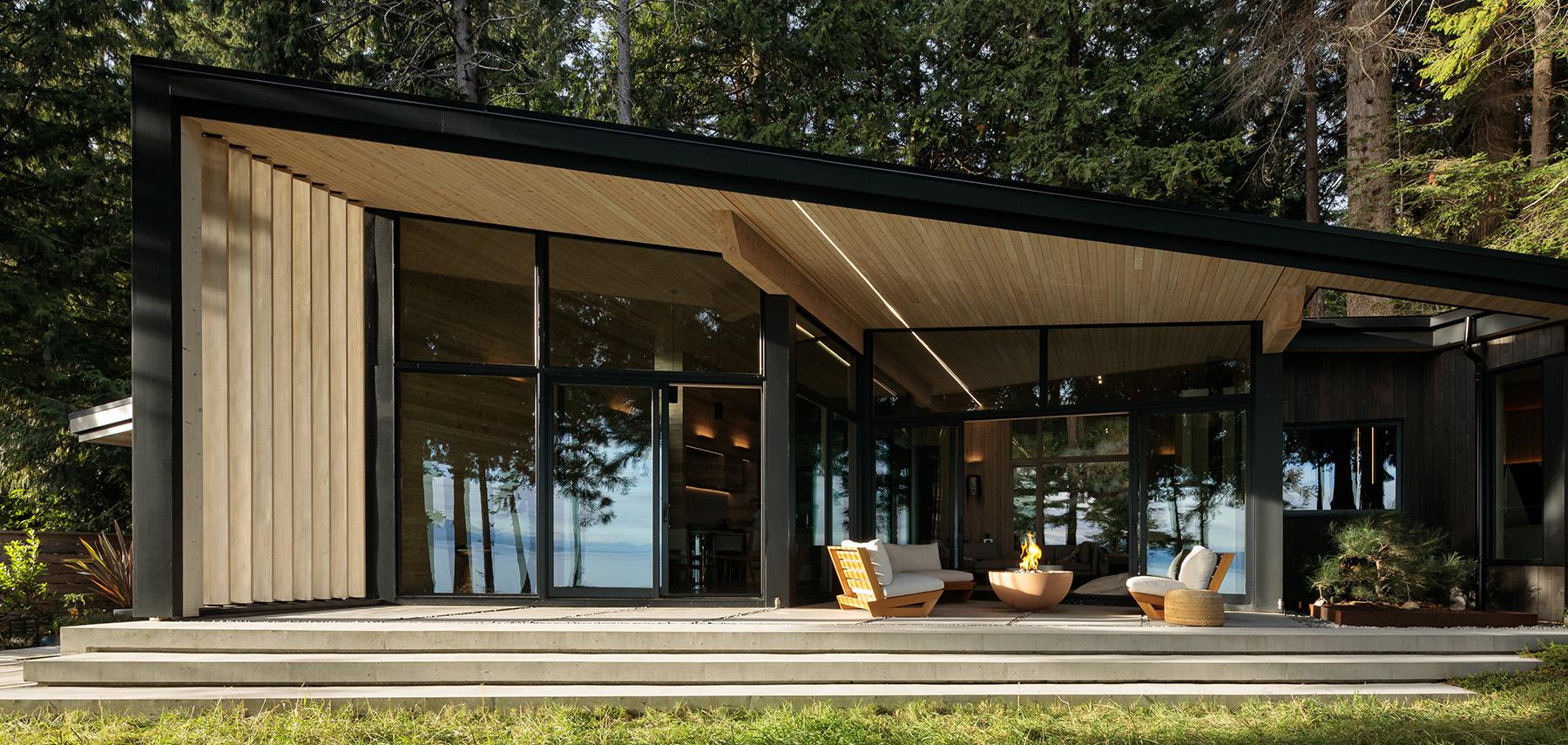
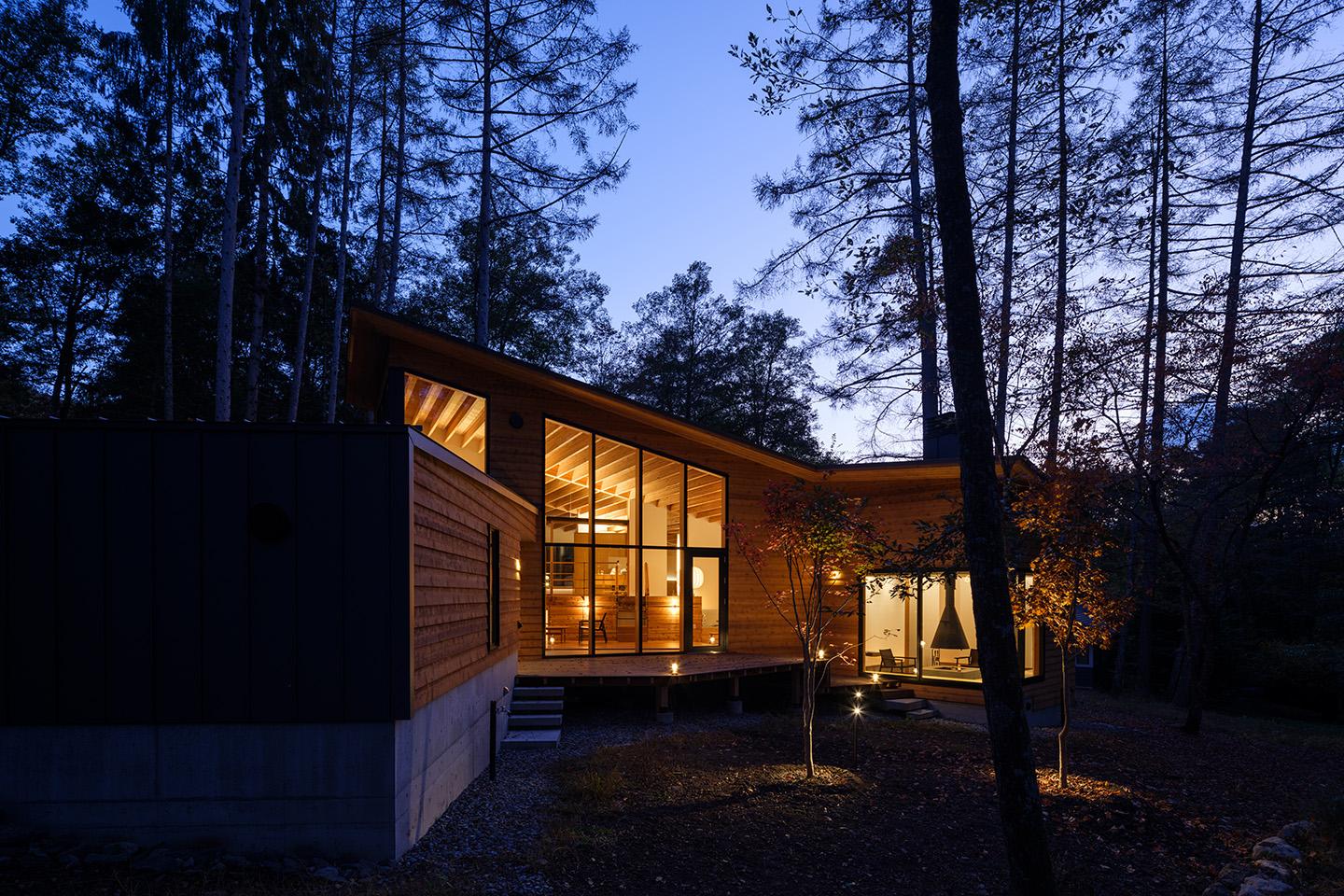
Biophilic design creates spaces that reconnect us with nature, promoting wellbeing, reducing stress, and improving cognitive function. This approach utilizes nature’s patterns and elements to satisfy our inherent love for the natural world. It offers an effective way to simulate the positive effects of nature on our health and wellbeing within our increasingly urban lifestyles.
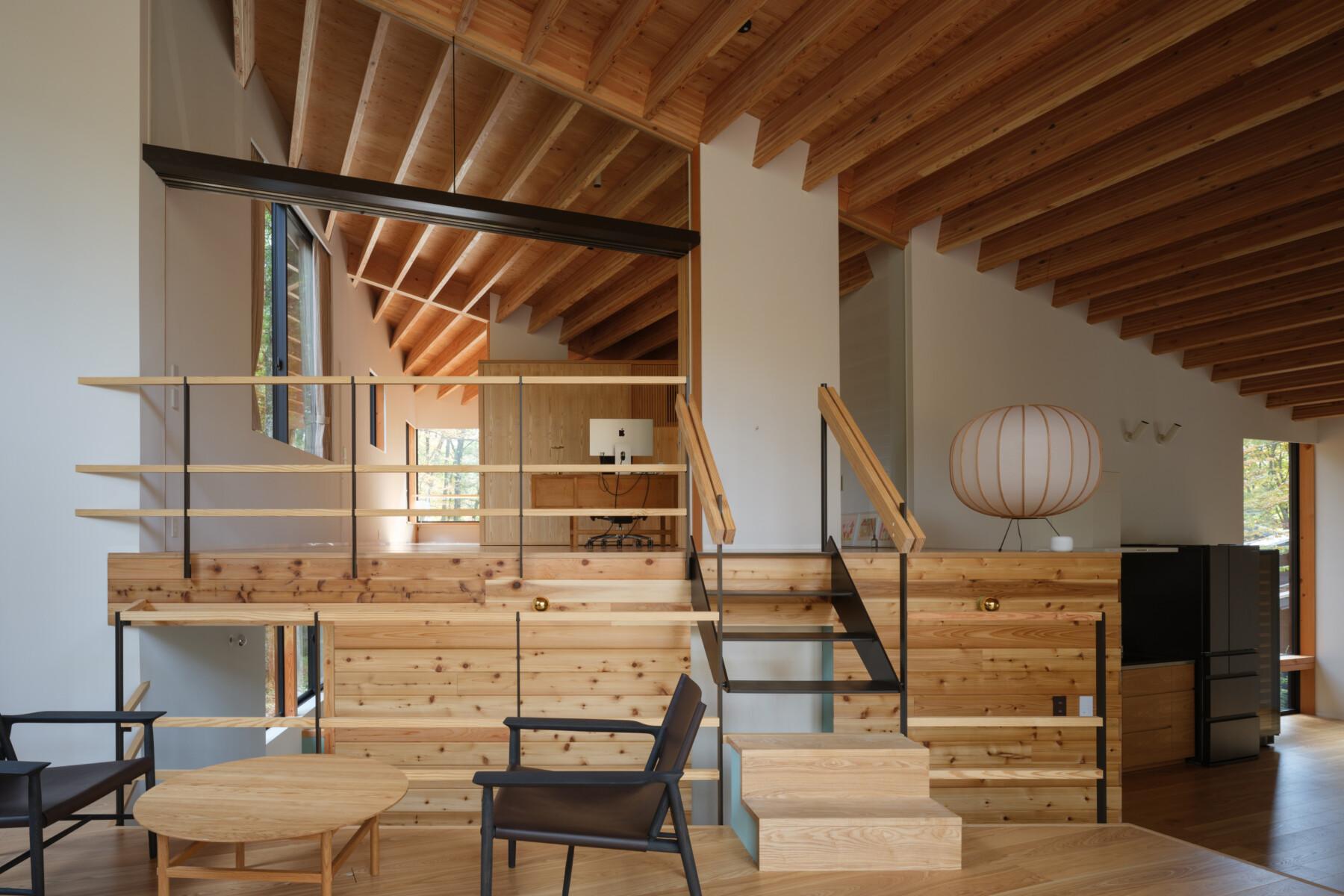
Architectural Evolution Toward Biophilia
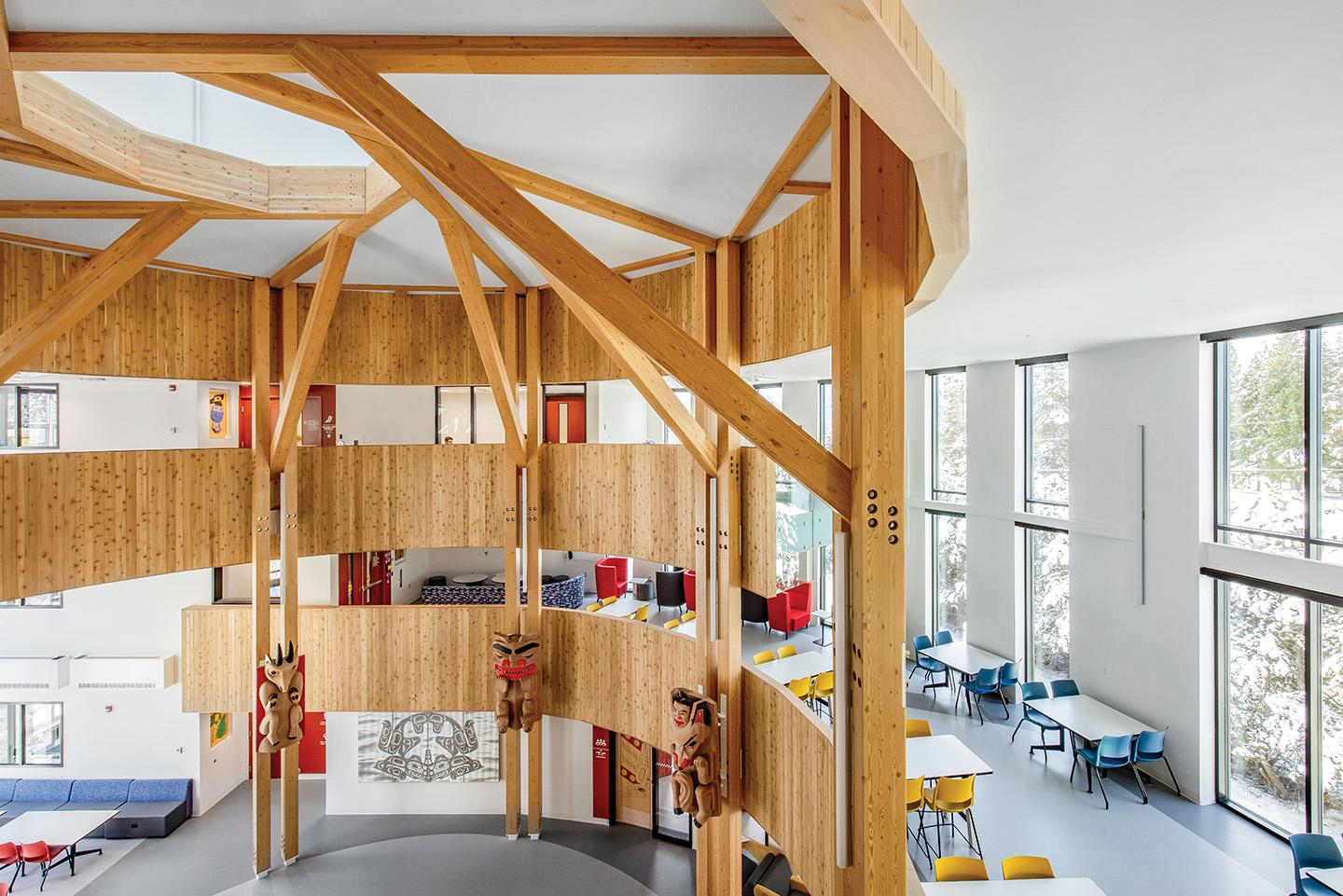
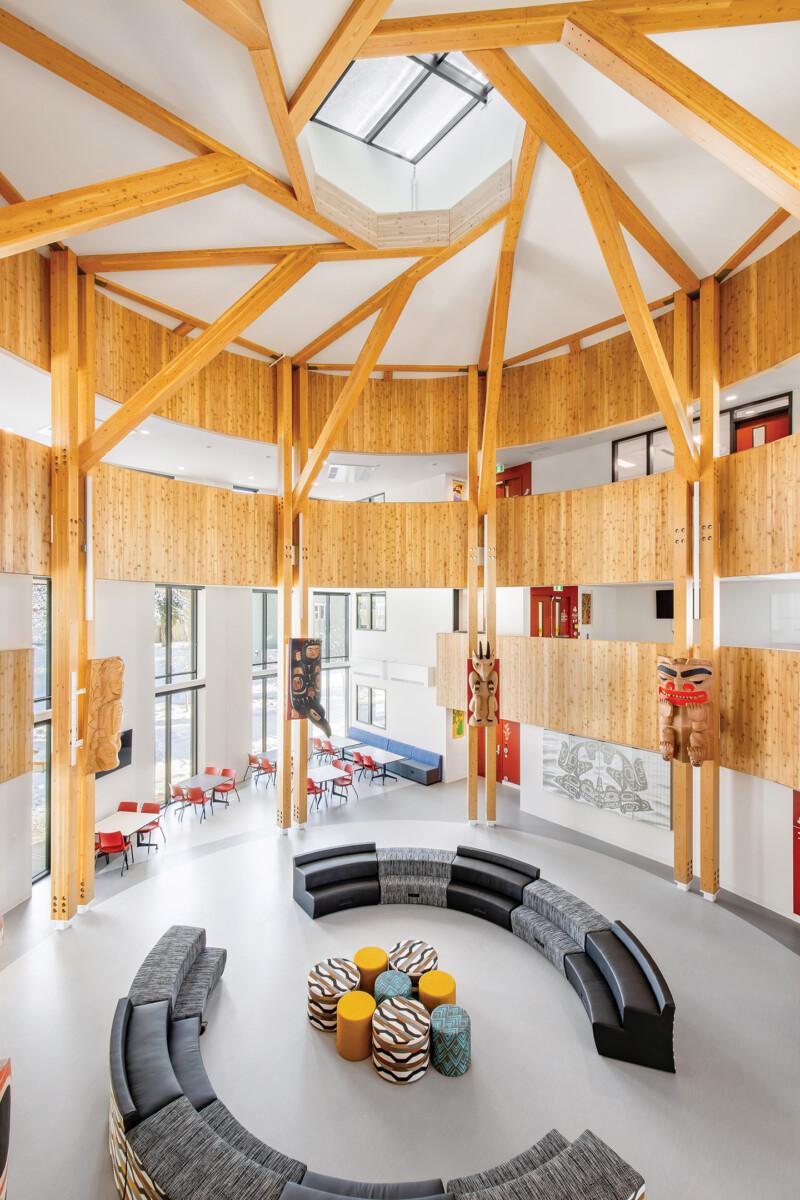
Biophilia research with Western Red Cedar proves that “greenness” has a measurable impact on occupants. And not just in residential applications. In retail and hospitality, it enhances customer experience. In healthcare, it contributes to faster healing. In workspaces, it promotes productivity and boosts morale. As urbanization continues, factoring these benefits into modern design is more crucial than ever.
Wood: A Strong Biophilic Response
When it comes to meeting our innate need to connect with nature, wood offers a robust and immediate response. With wood’s warm textures, natural smells, and distinct visual patterns, grain, color, it’s a strong driver of biophilic design. It’s tactile, visually pleasing, and offers a calming olfactory experience.
western red cedar: a natural choice for biophilic design.
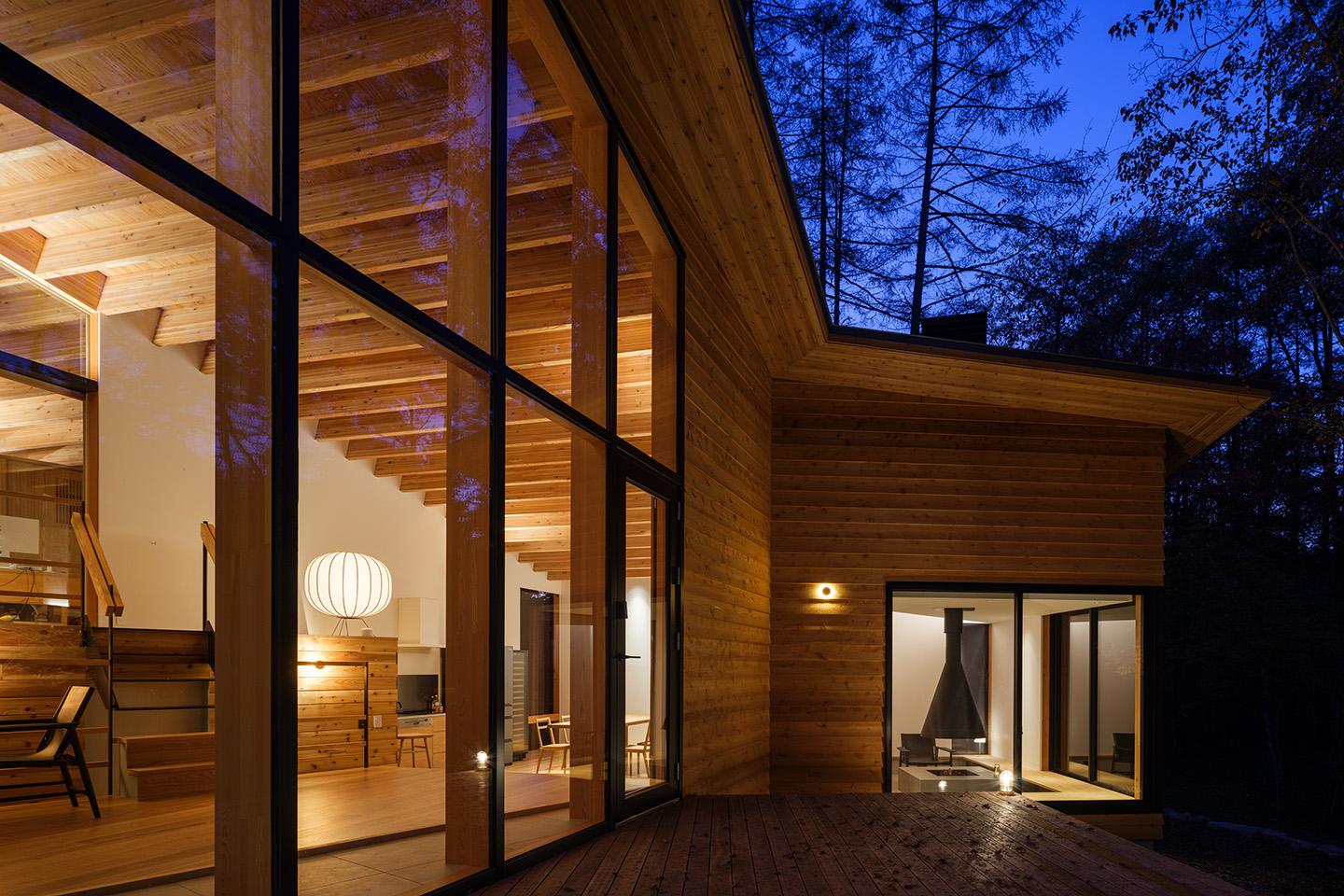
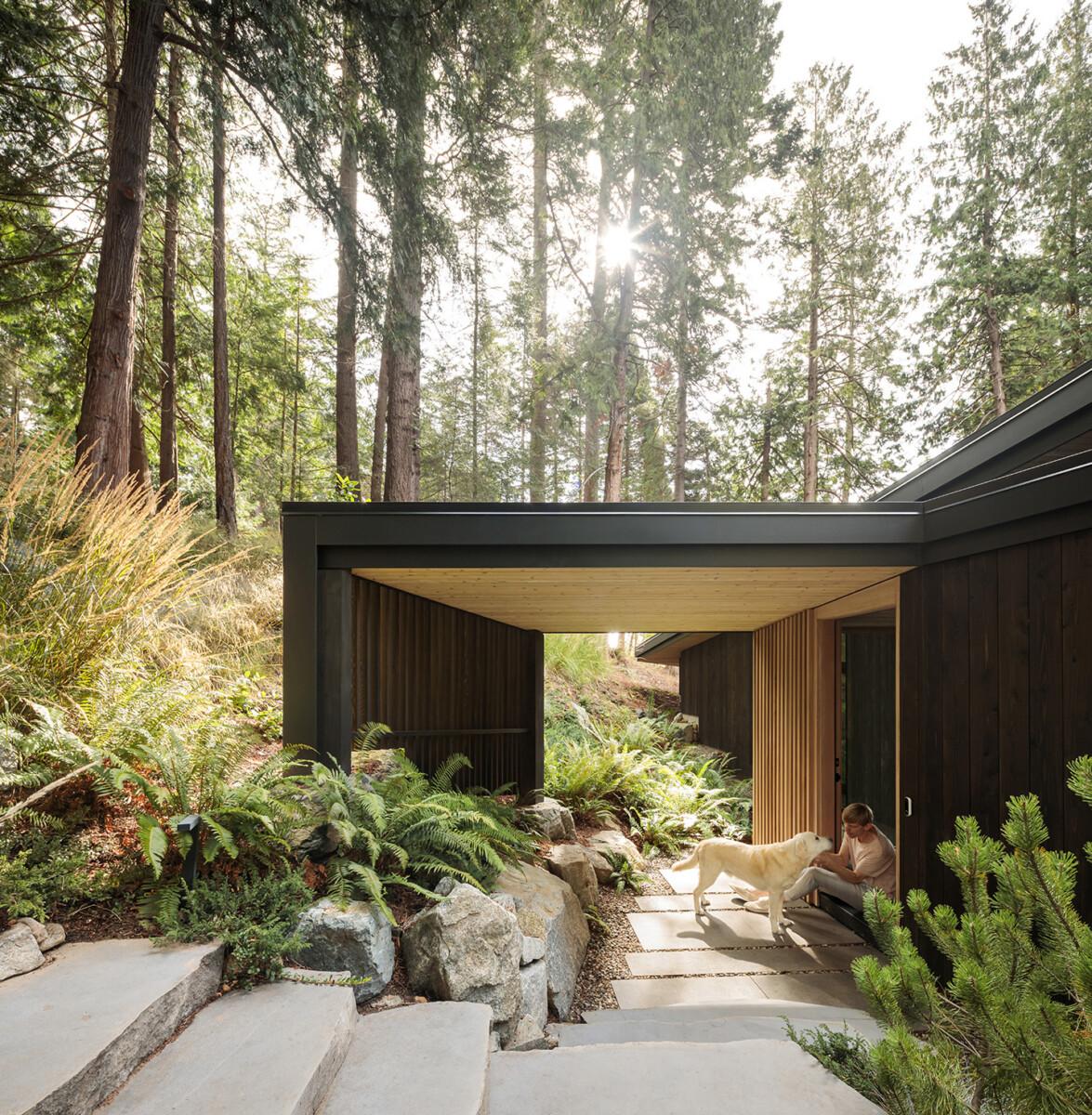
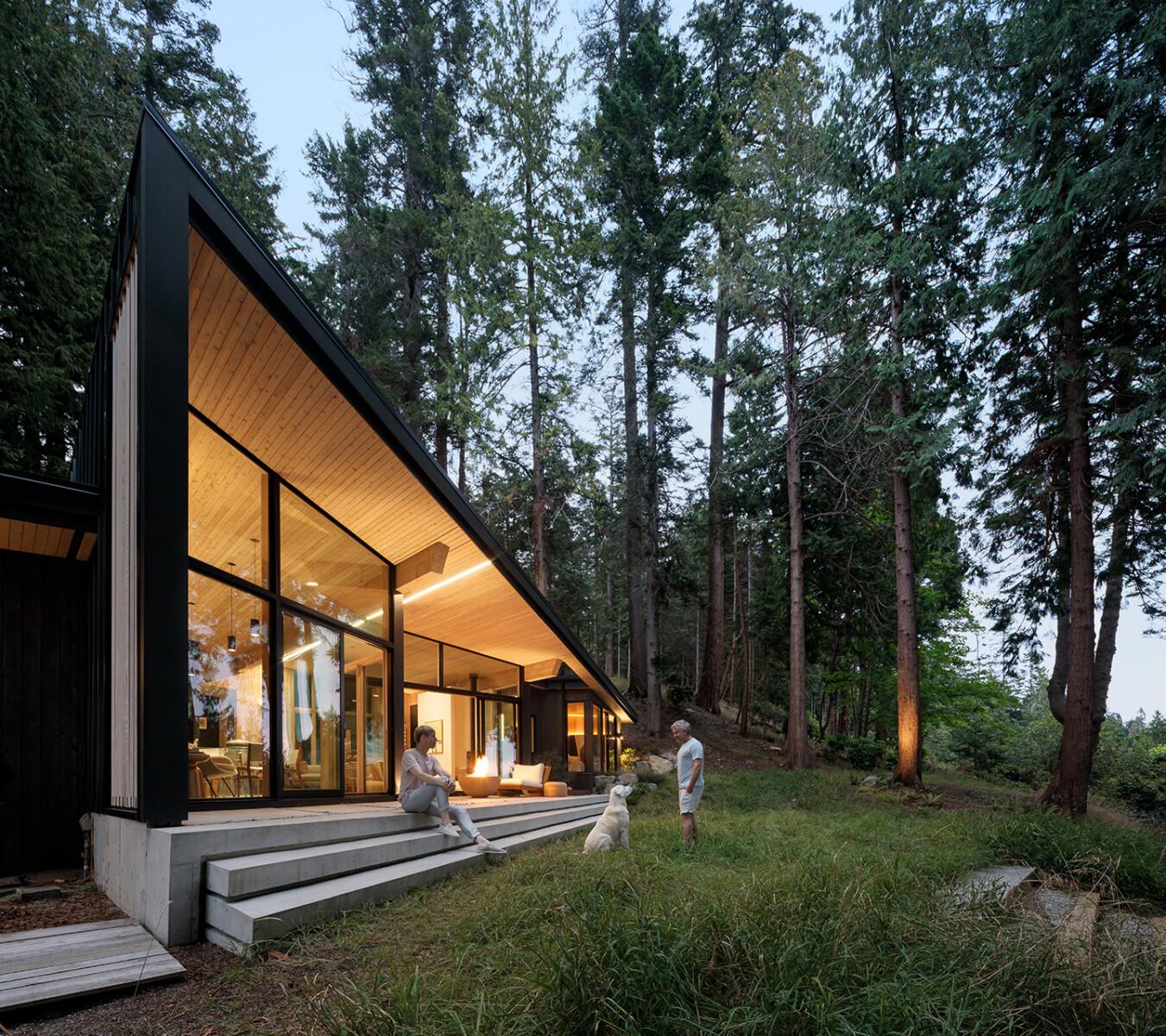
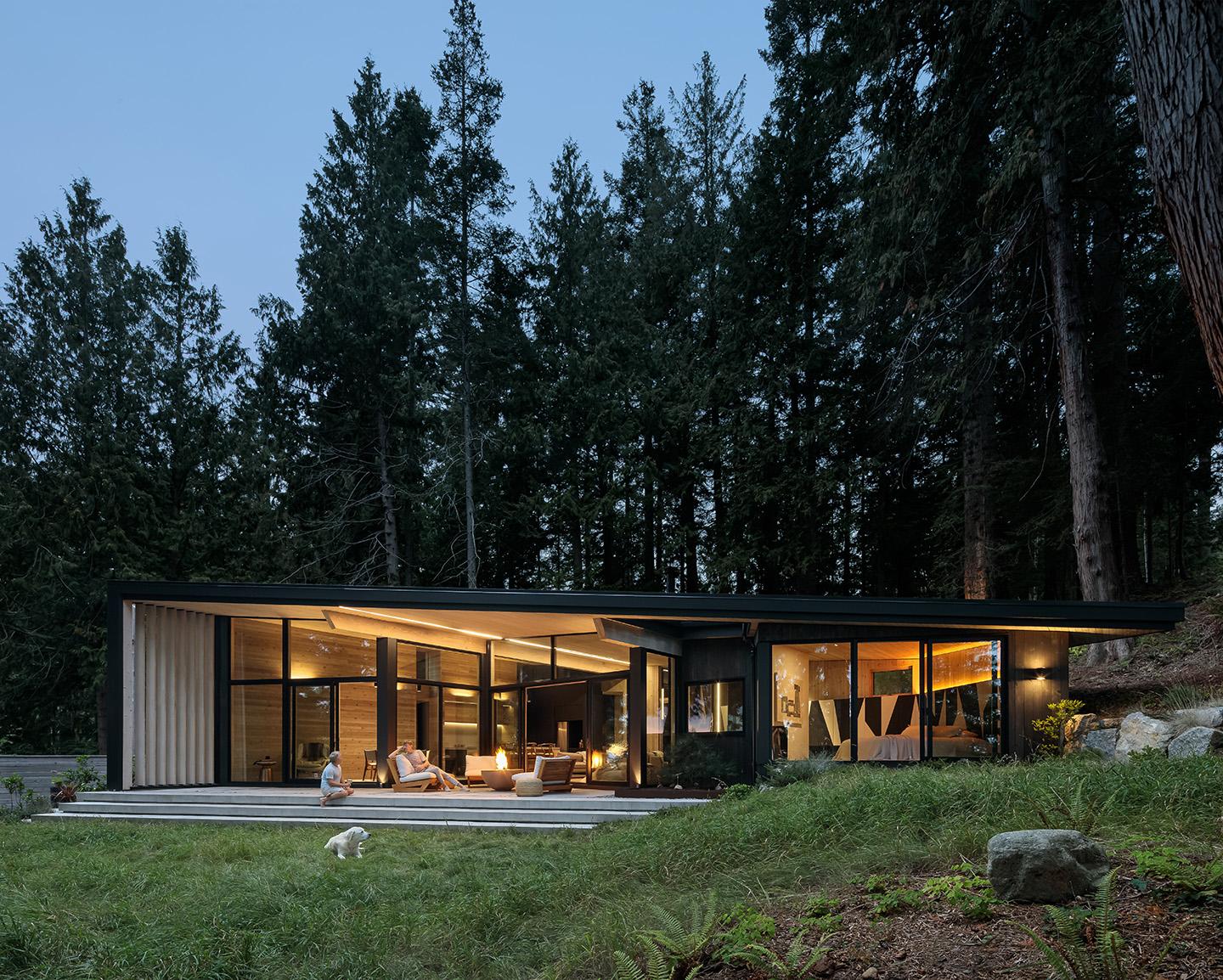
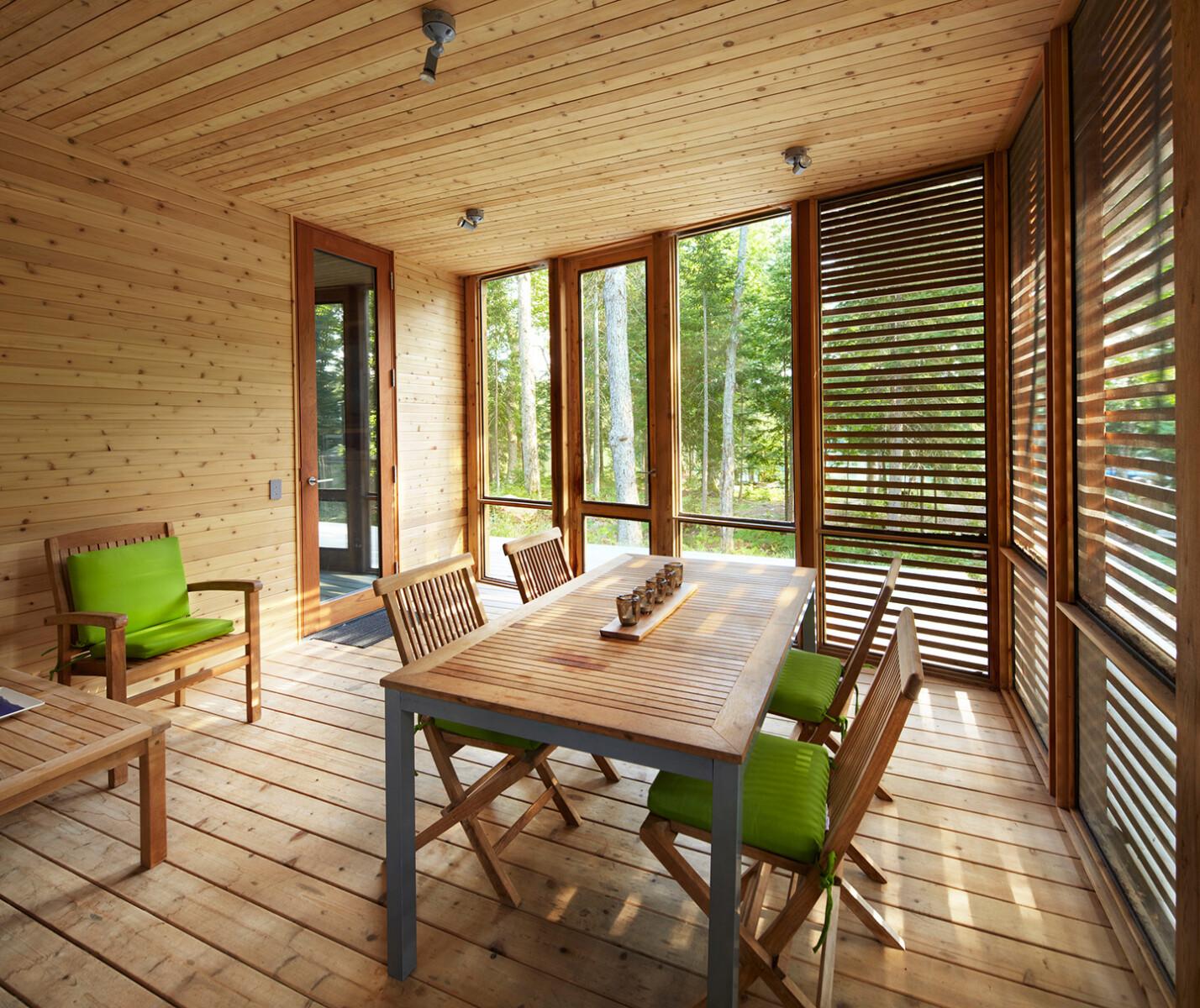
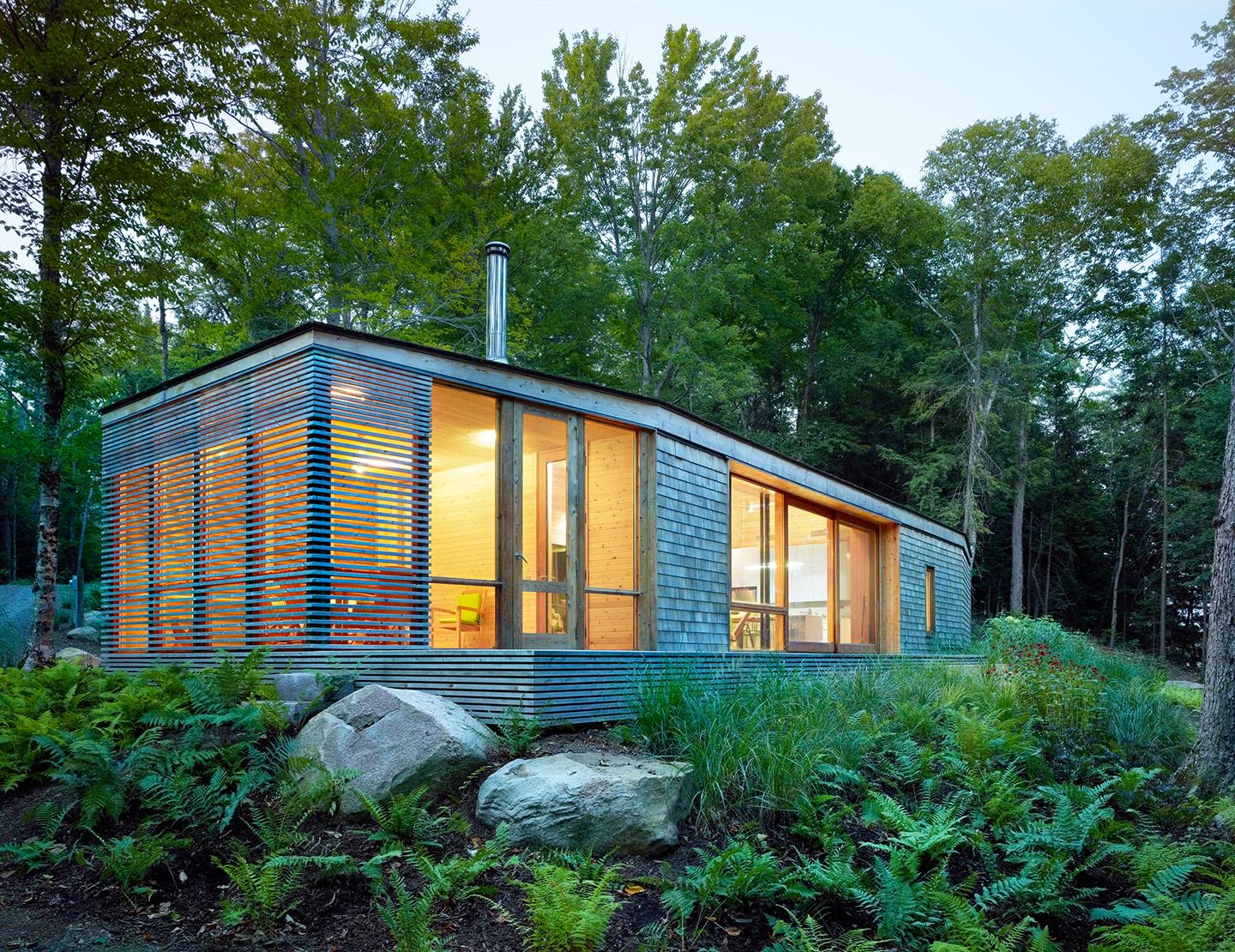
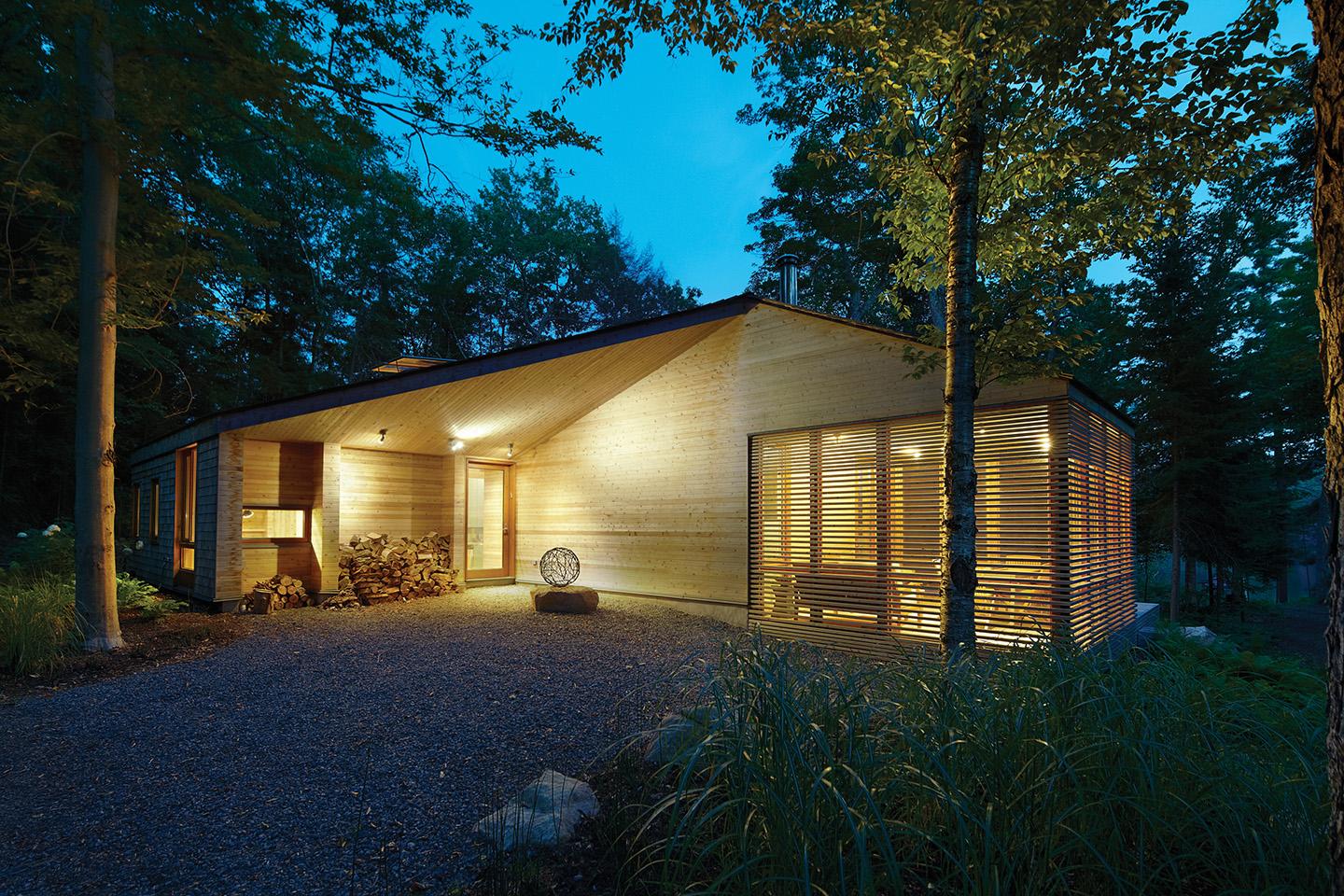
Western Red Cedar, in particular, with its rich tonal range and beautifully pronounced grain, is an ideal choice for biophilic design. Its robust nature and availability in a variety of grades, sizes and profiles provide design flexibility. This wood not only offers aesthetic beauty but also serves as a top-performing building material, enhancing the wellbeing of occupants for years to come.
Designing with Real Cedar
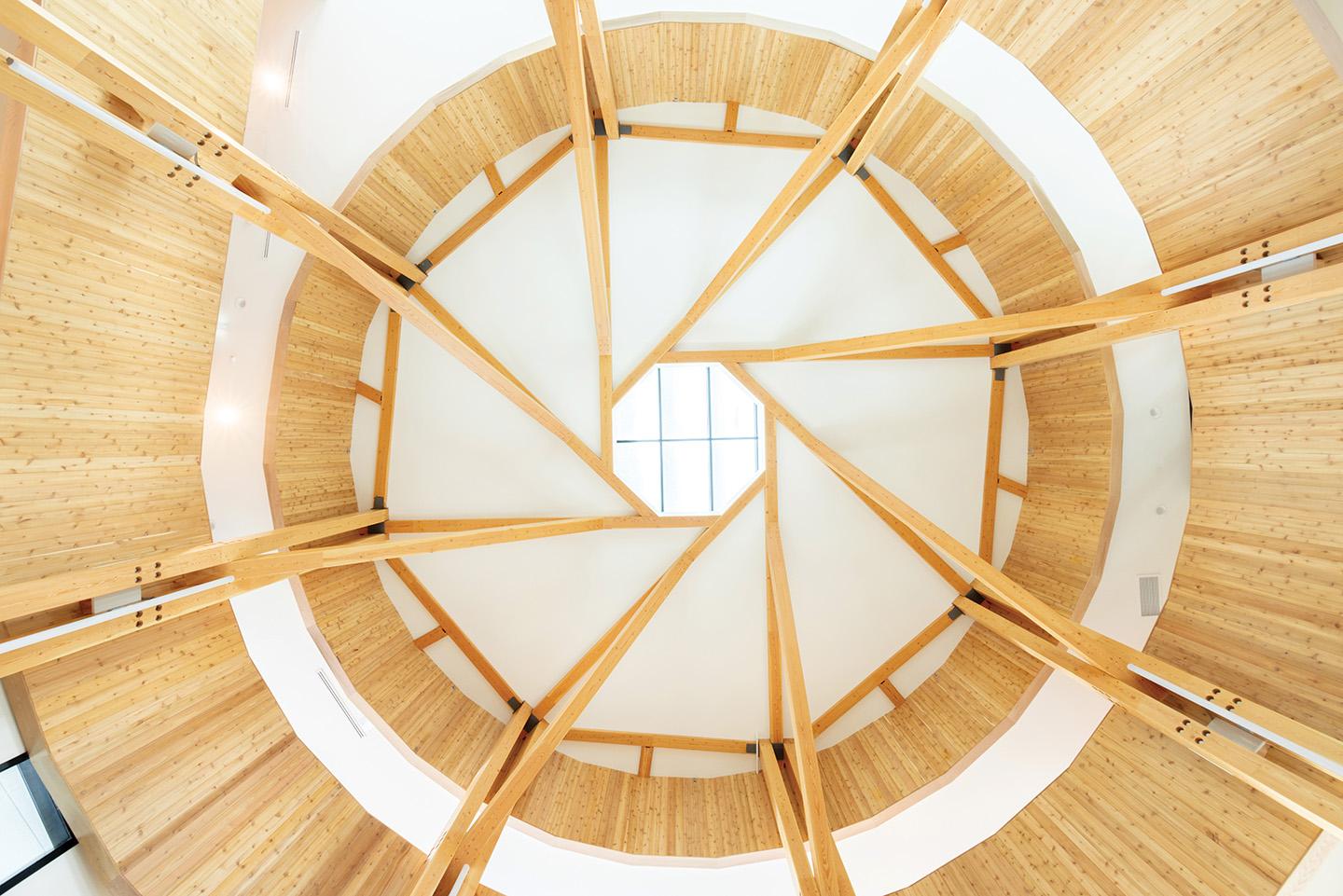
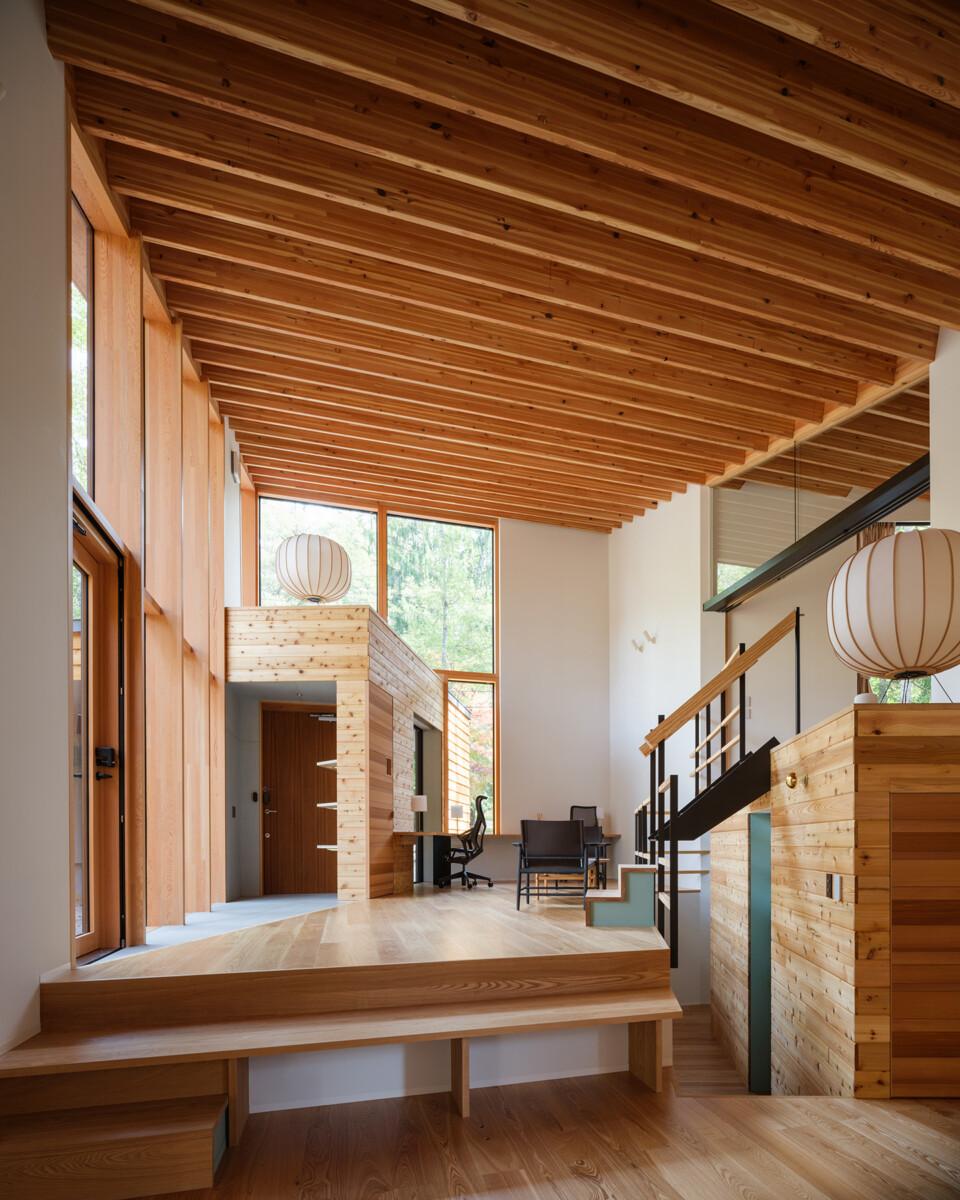
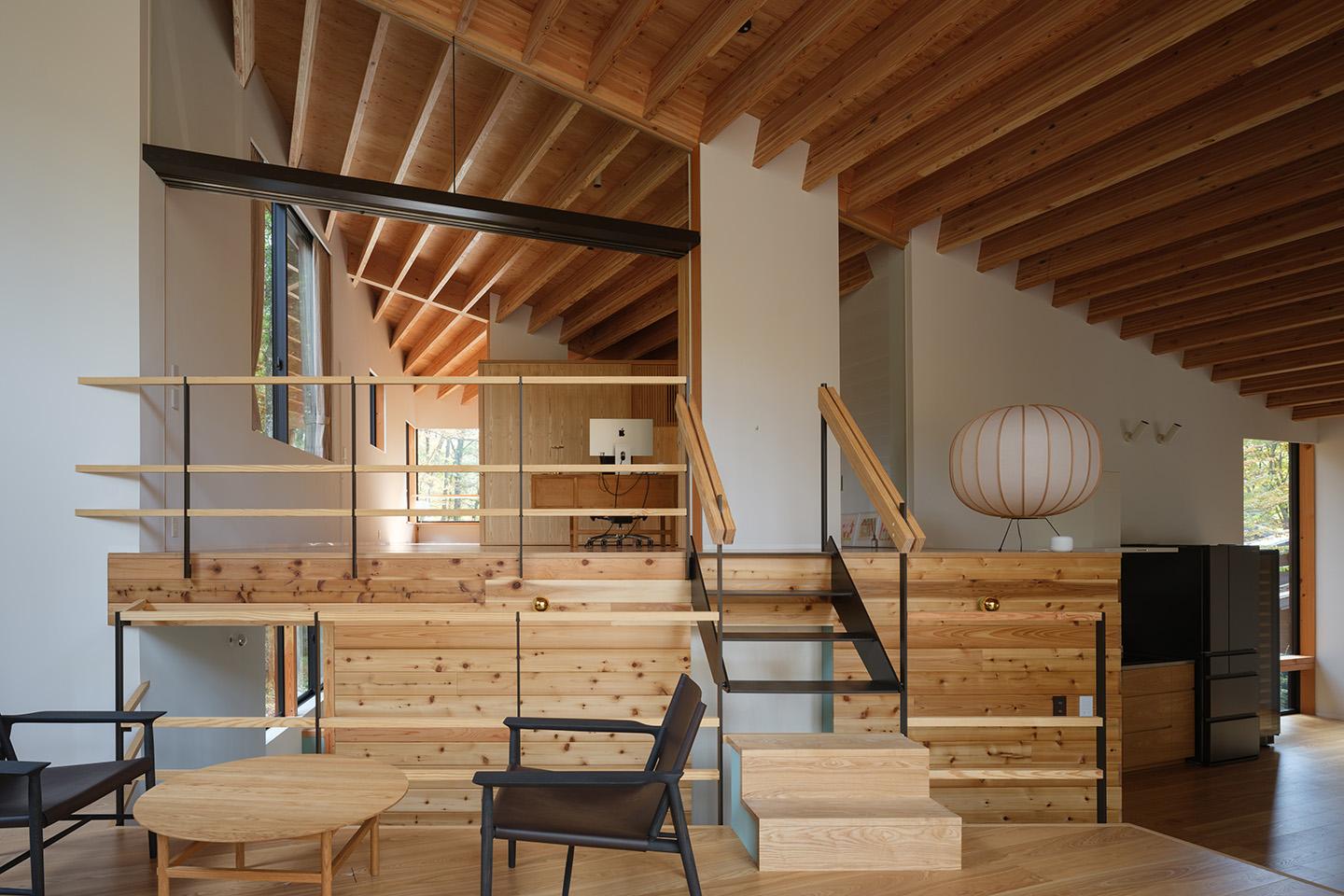
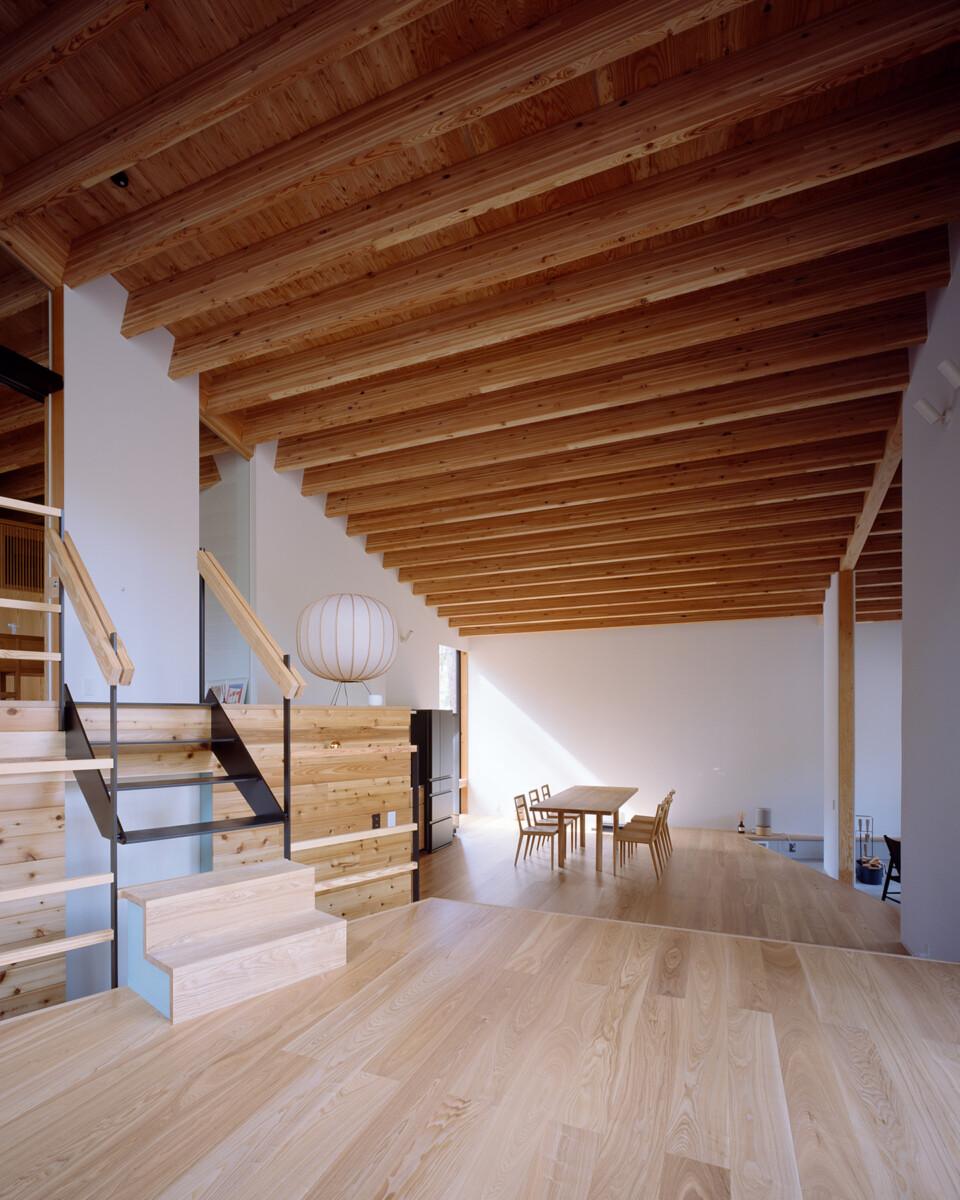
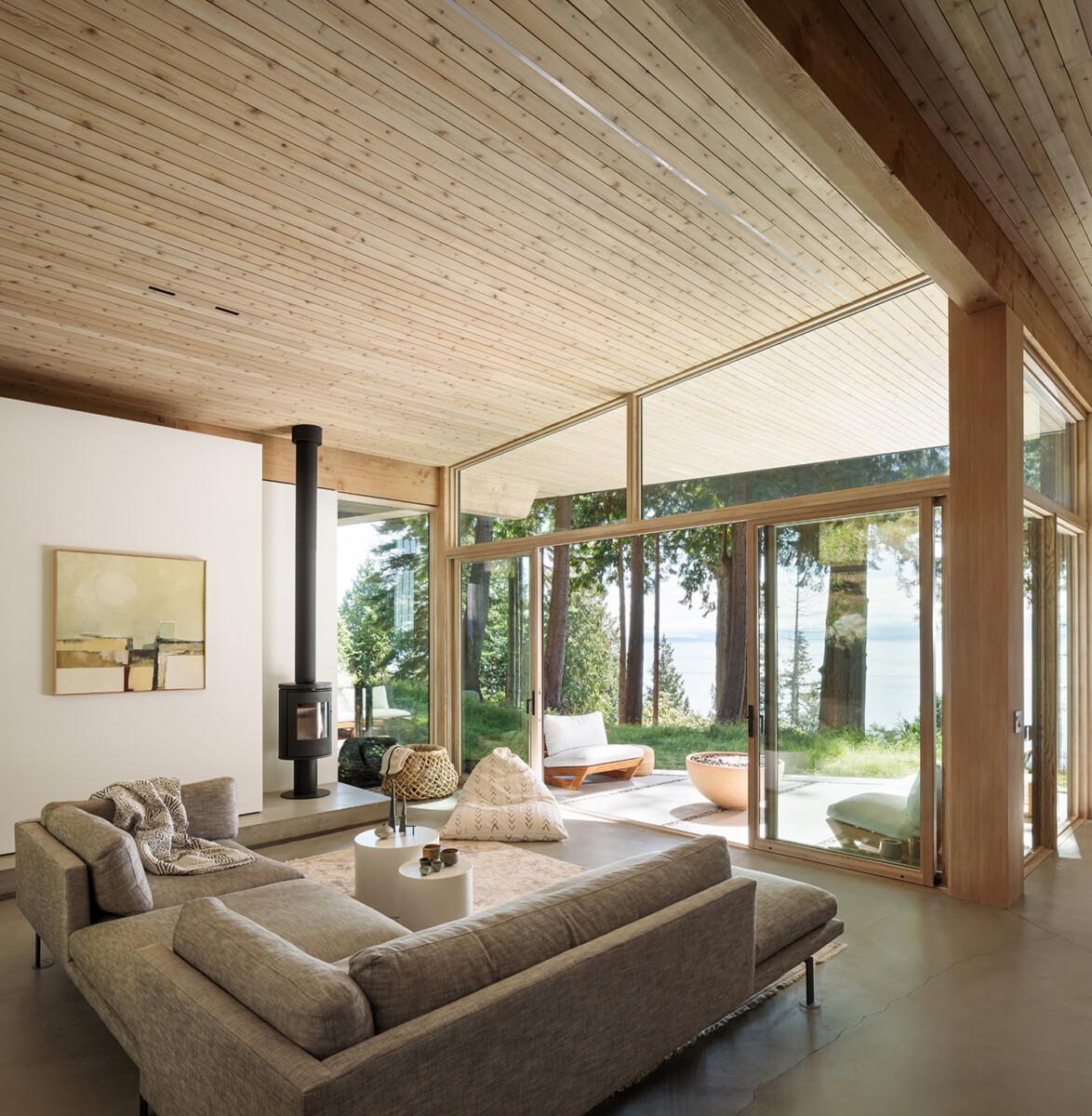
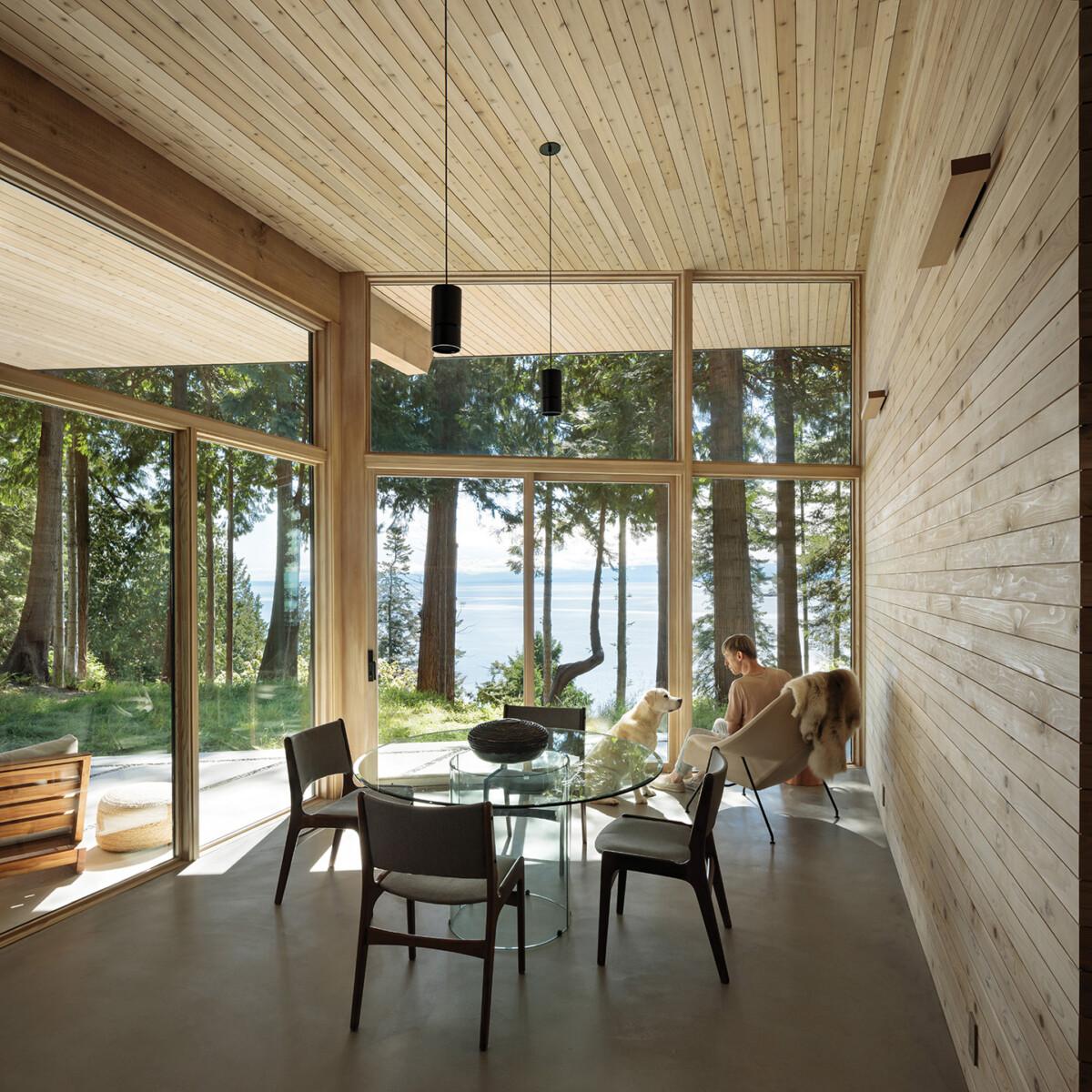
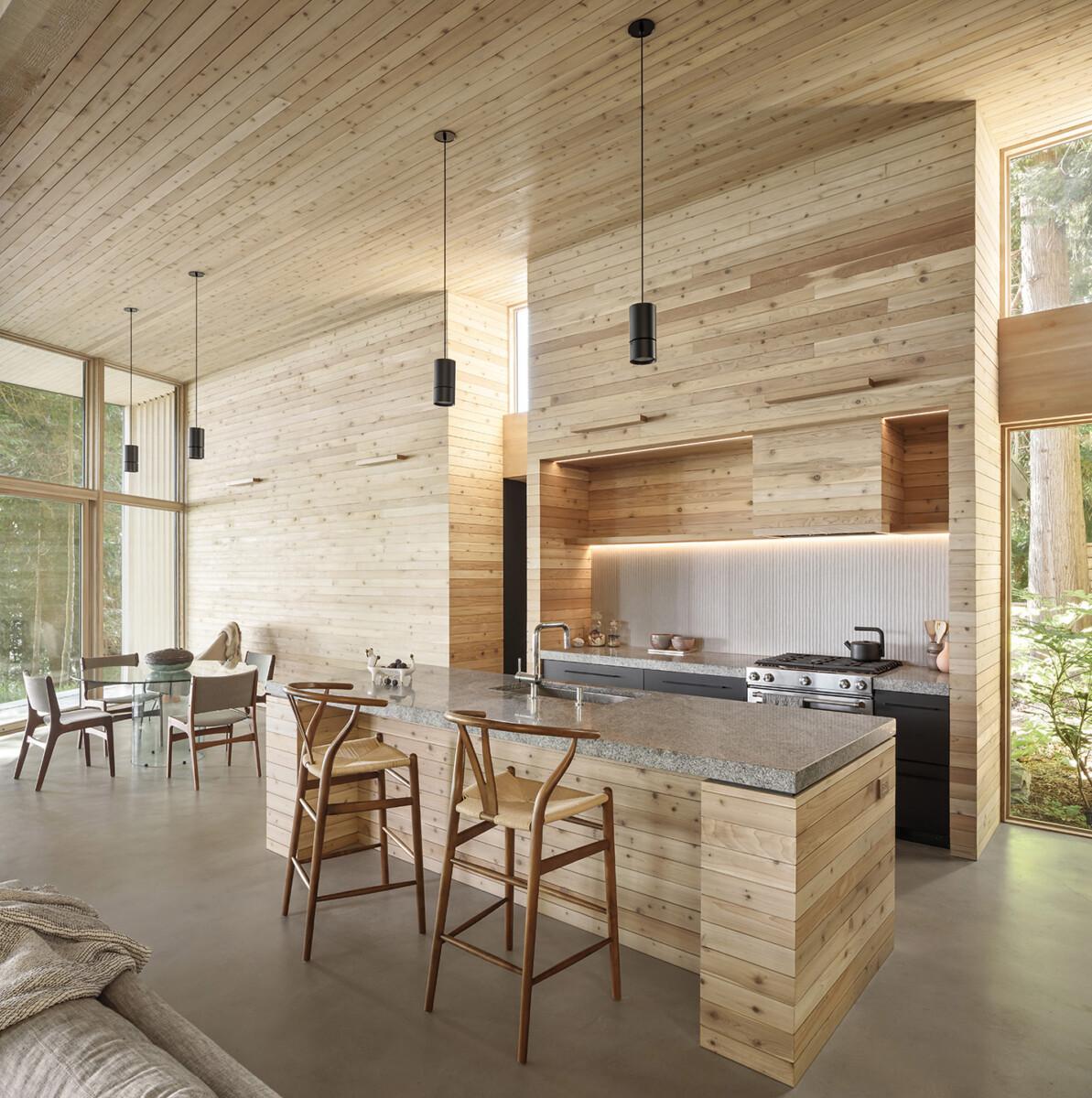
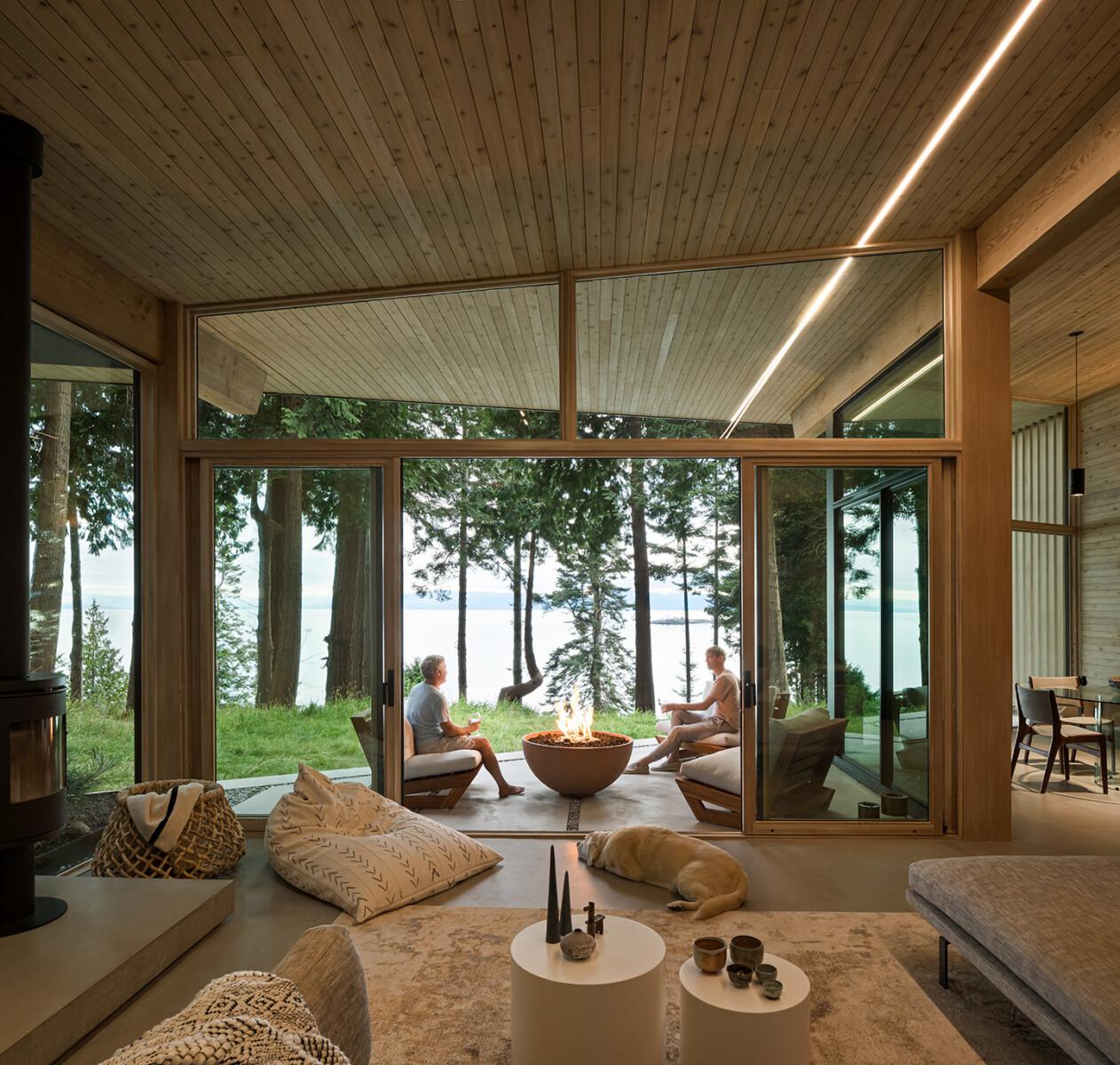
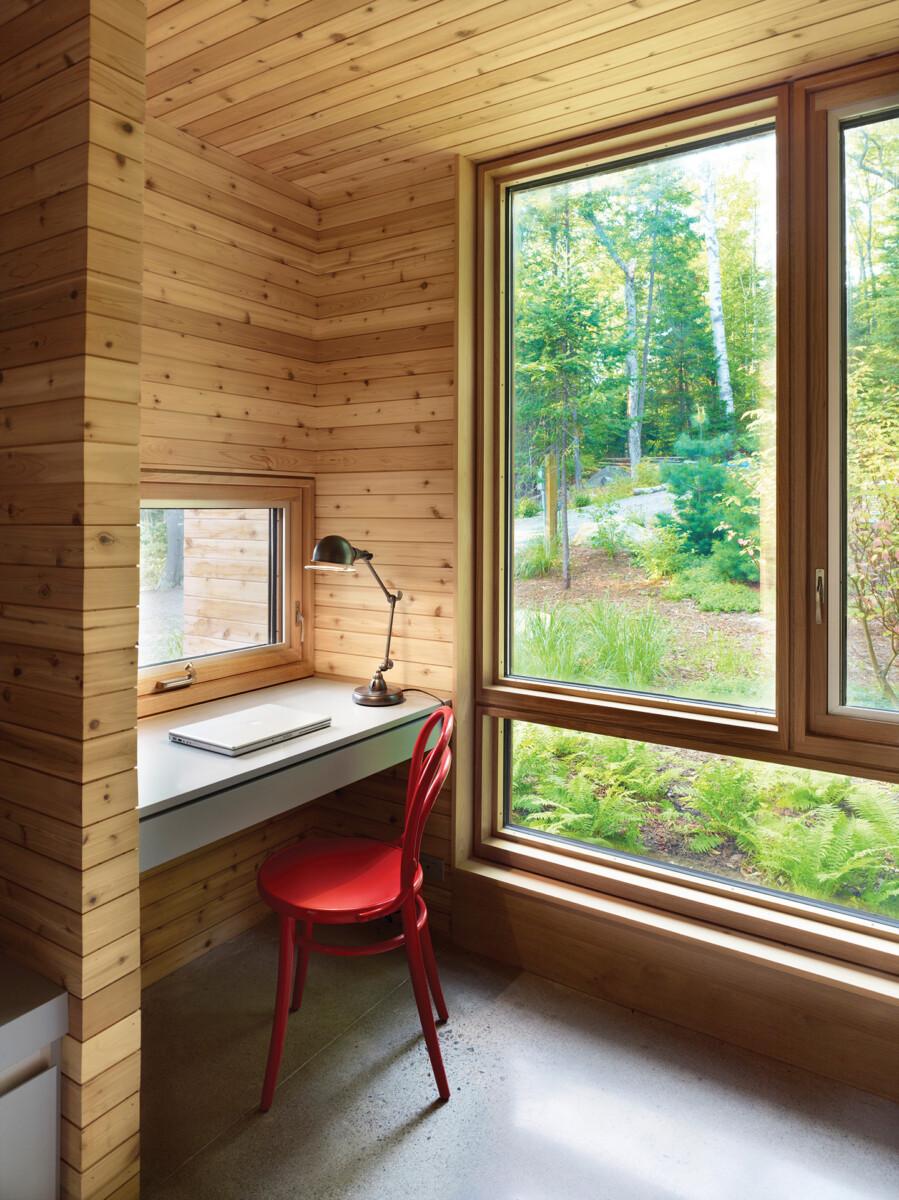
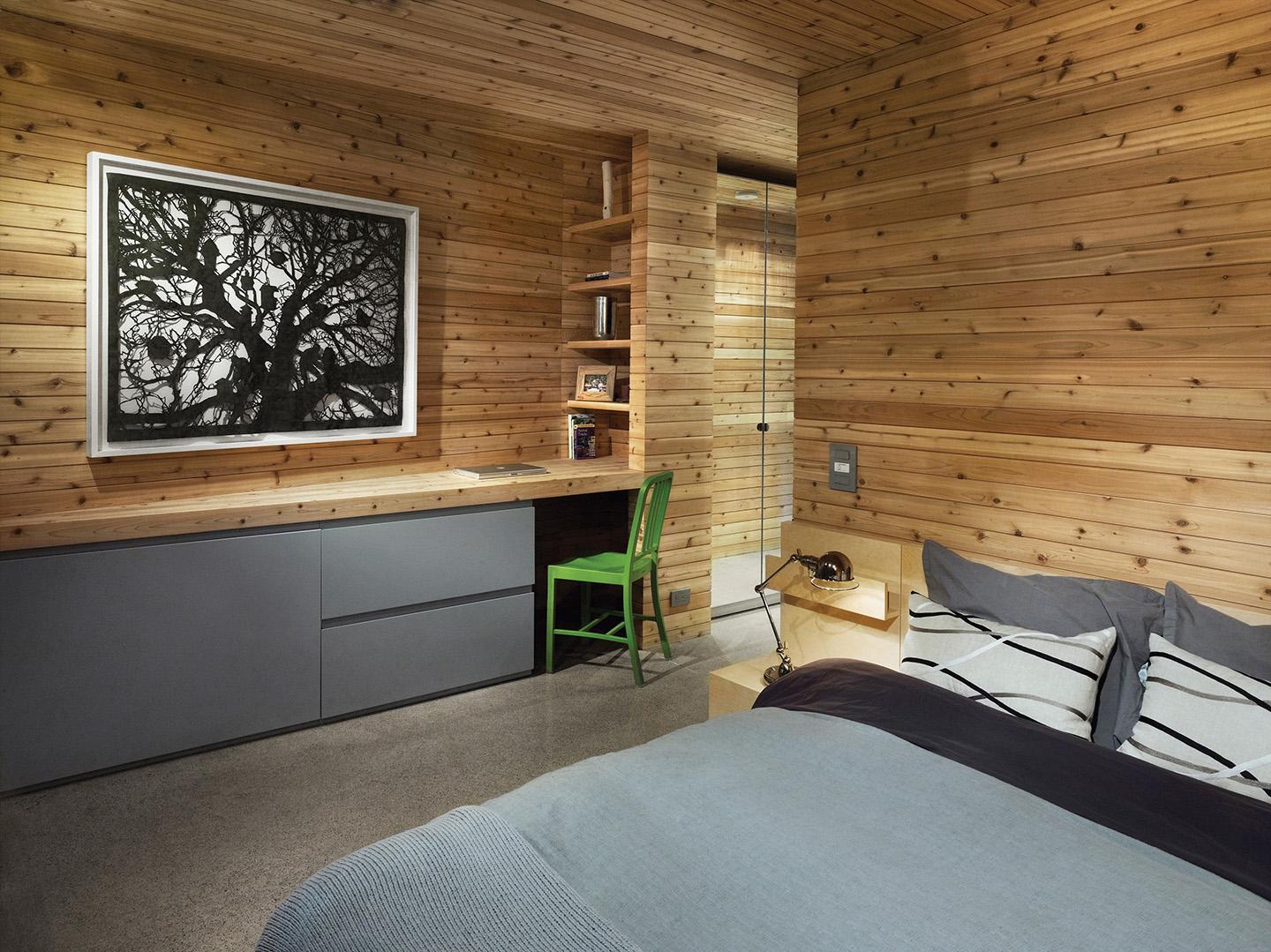
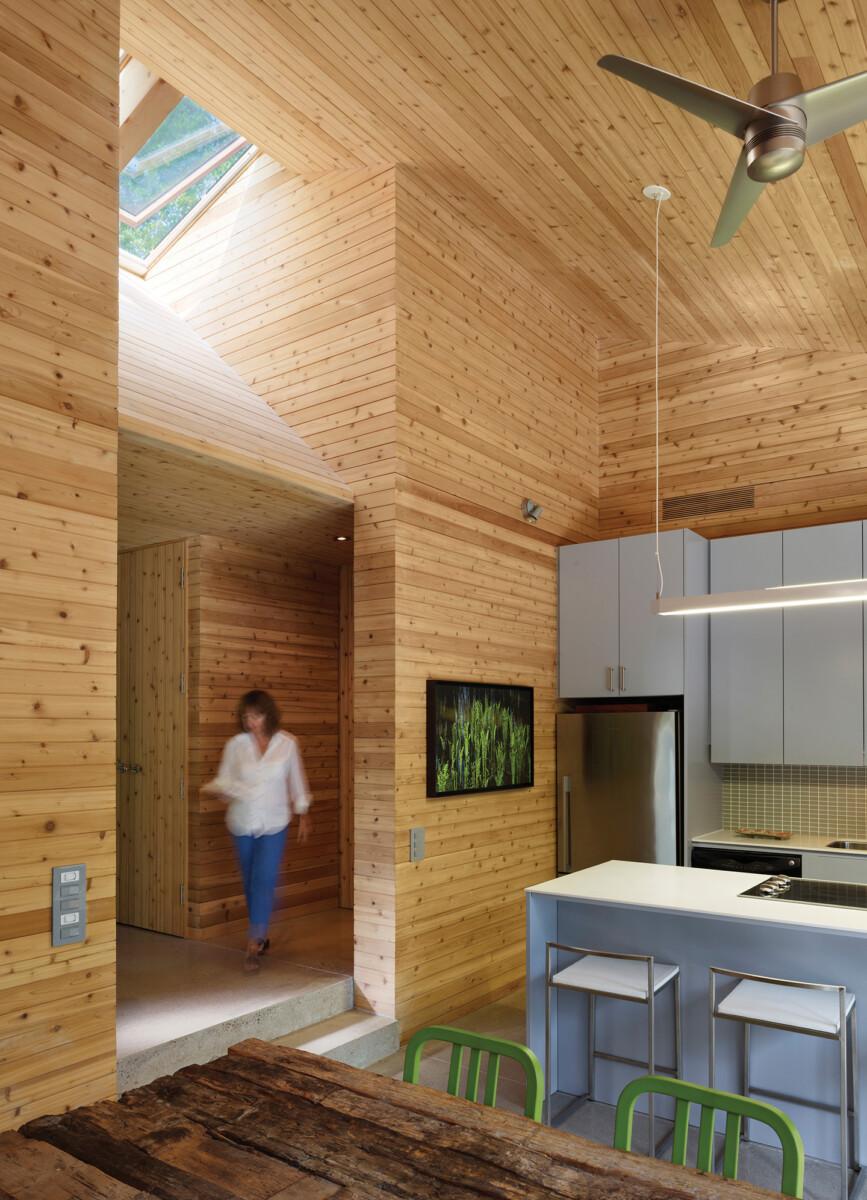
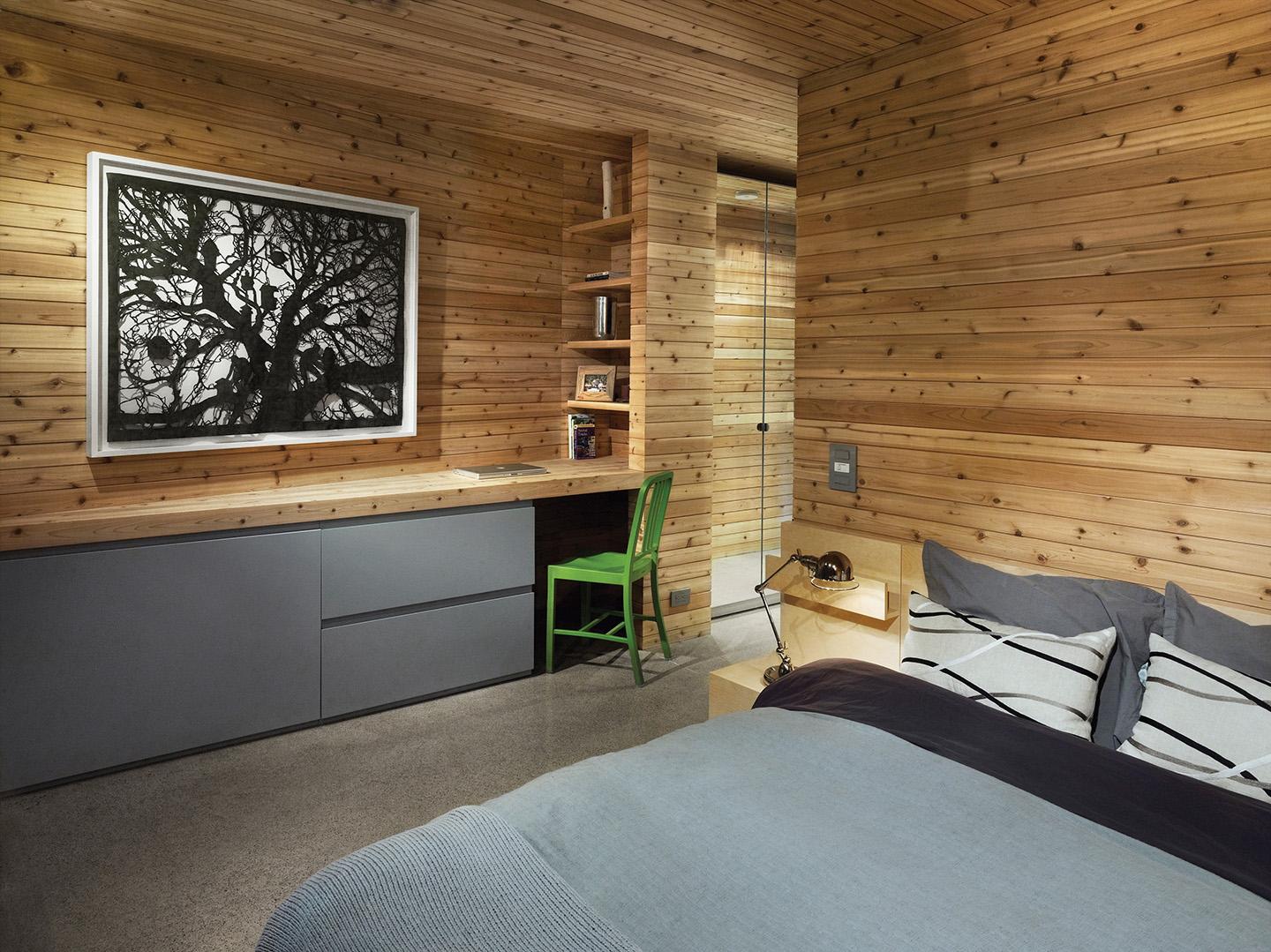
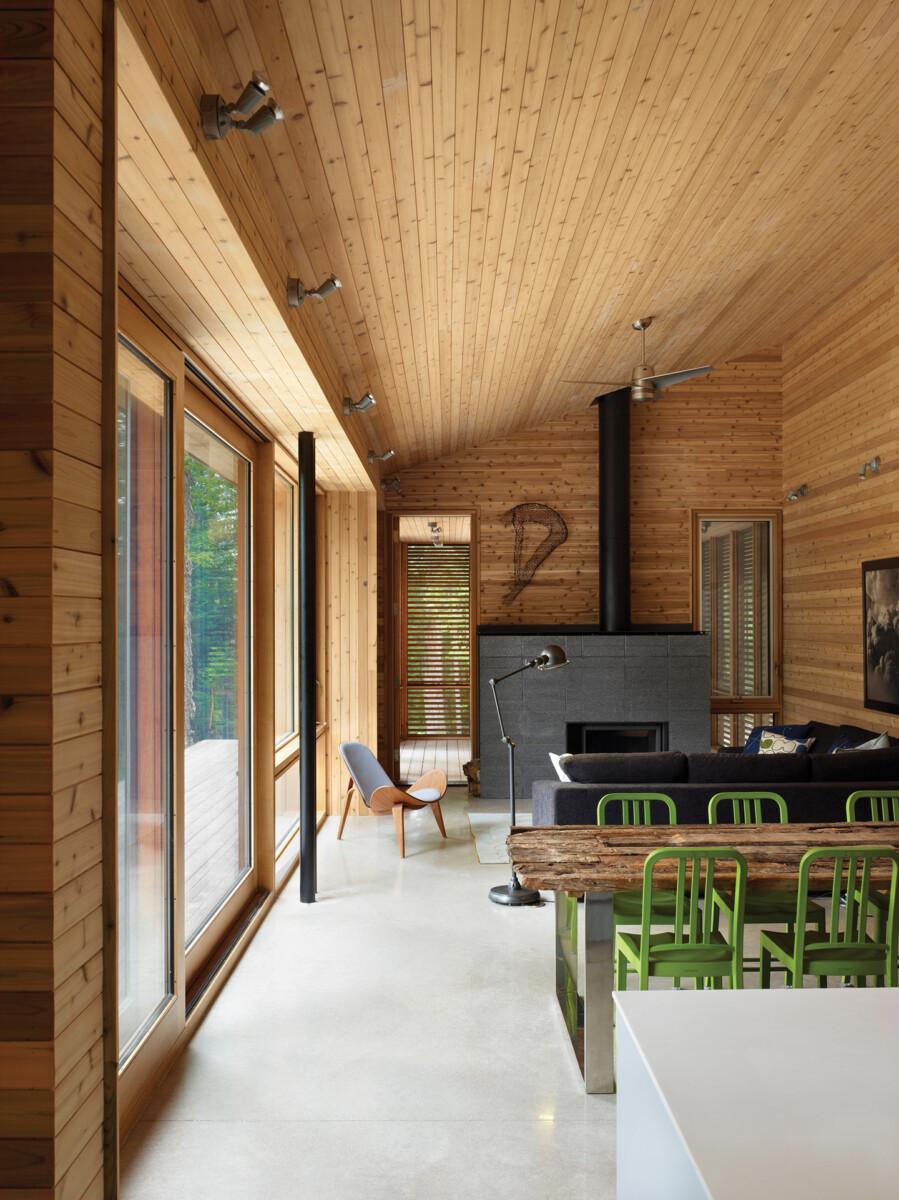
Celebrate wood by making it visible in design. Prioritize the grain and contour lines, and let the knots add texture and contrast. Wood’s warmth and richness contrast beautifully with modern materials like concrete, steel, and glass. These qualities offer an immediate, seamless connection to nature that no man-made material can replicate.
Interior Applications of Wood
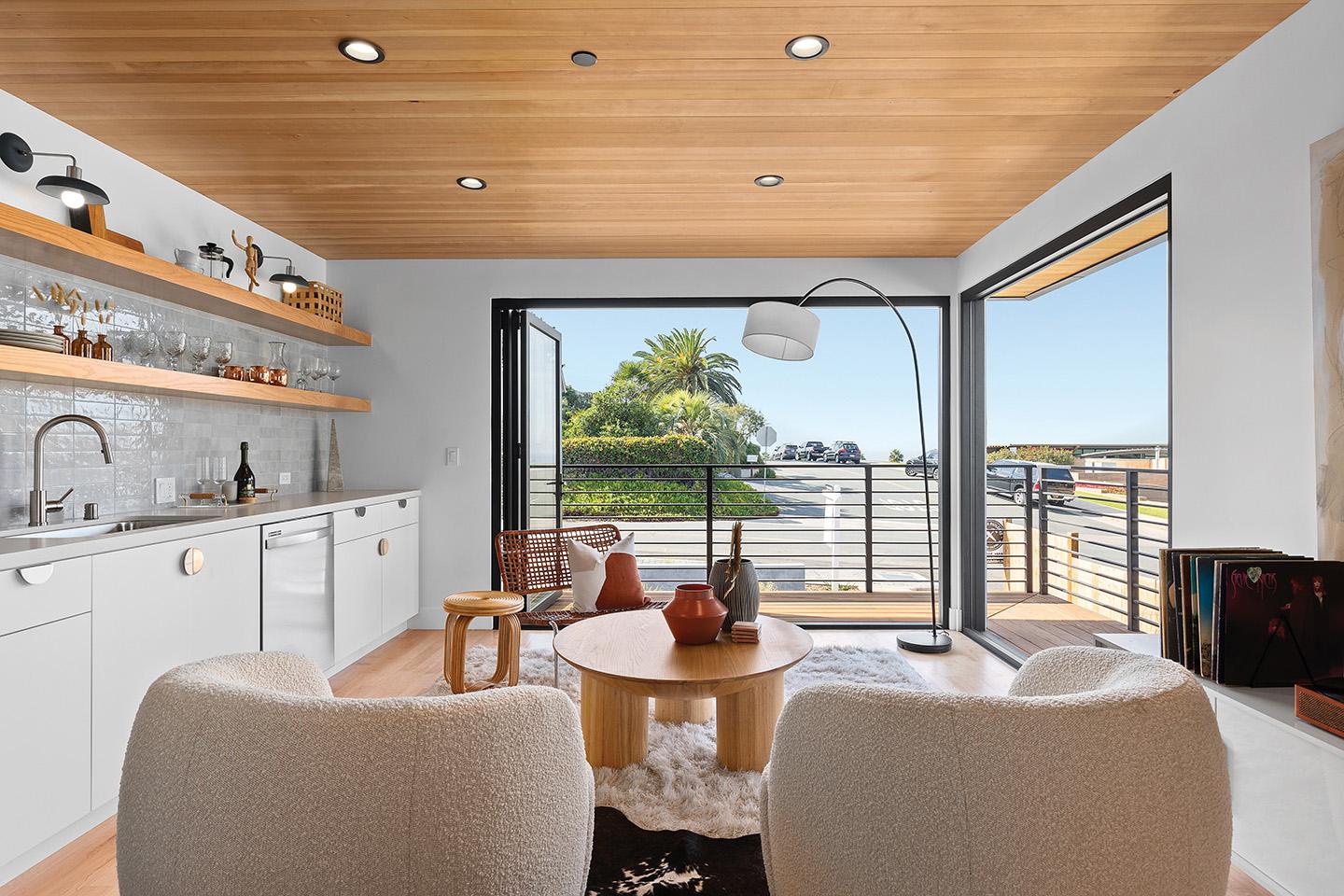
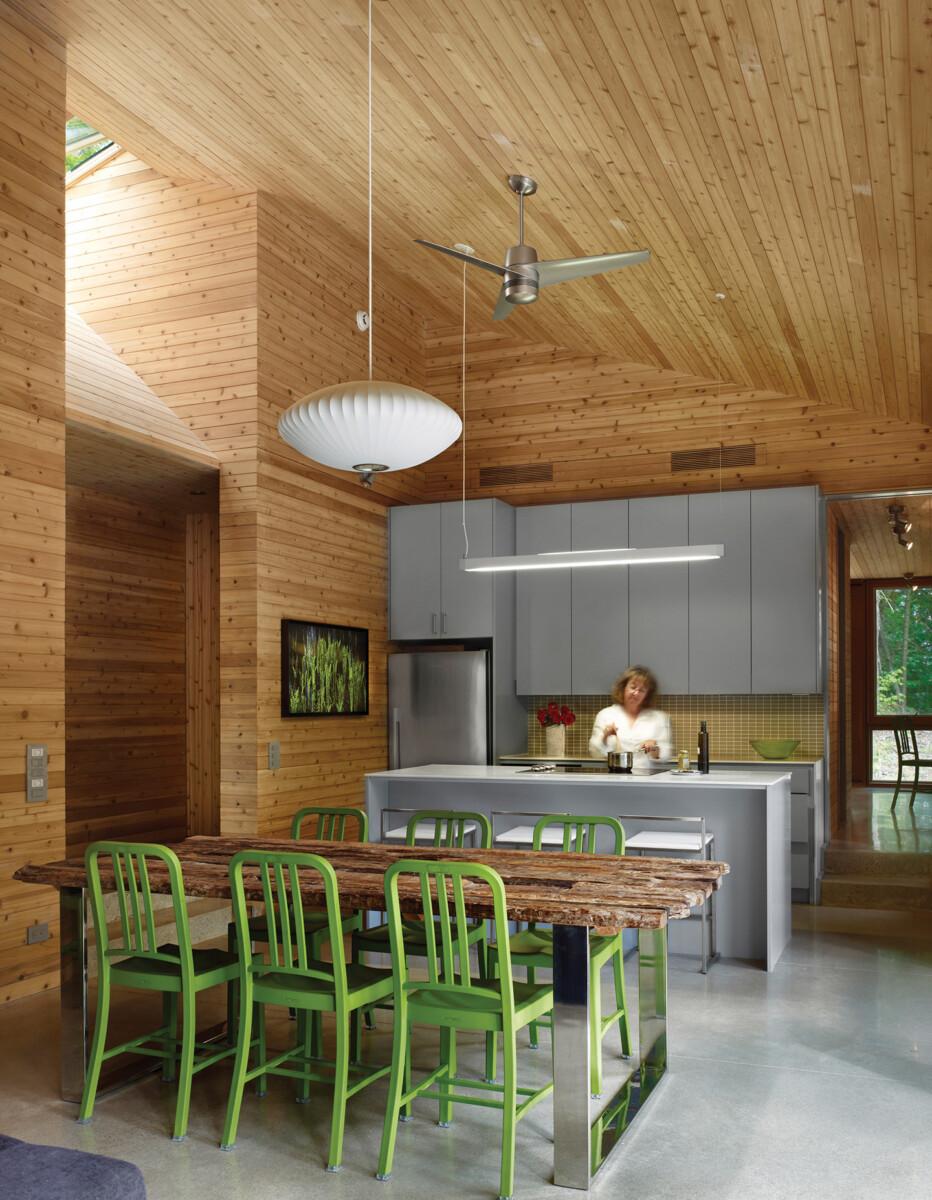
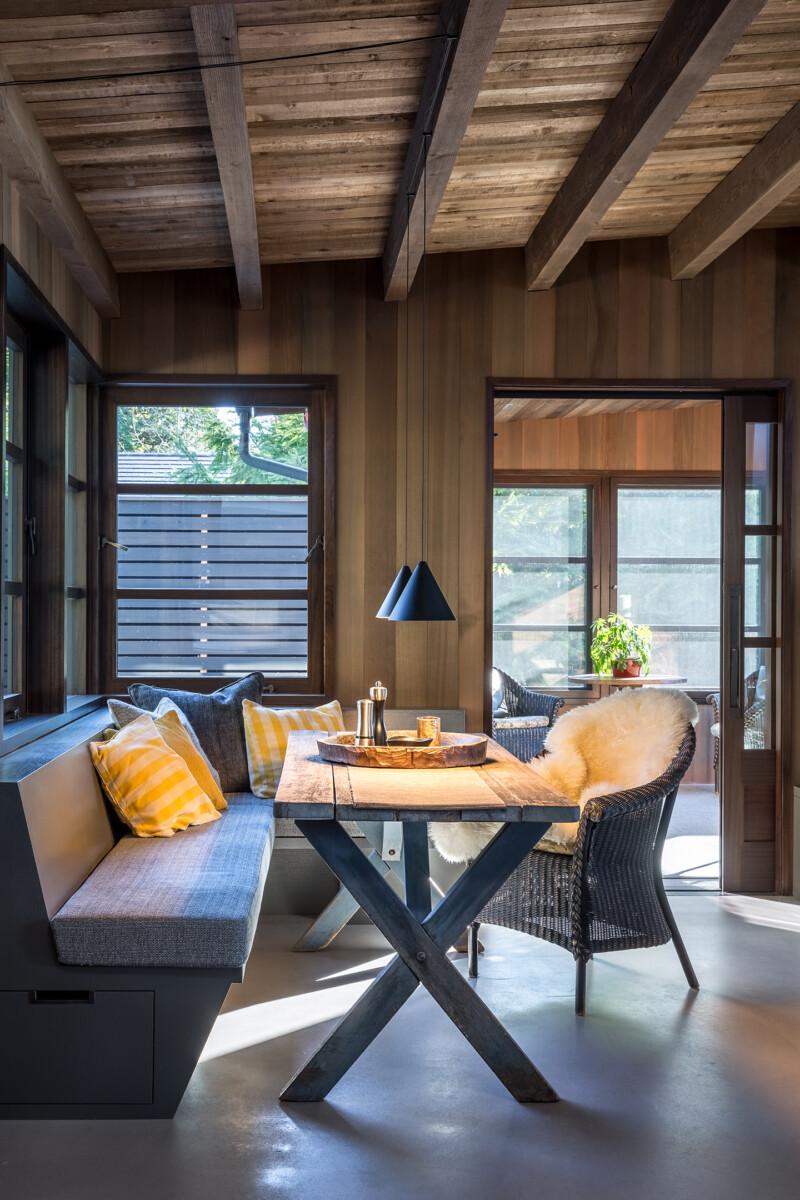
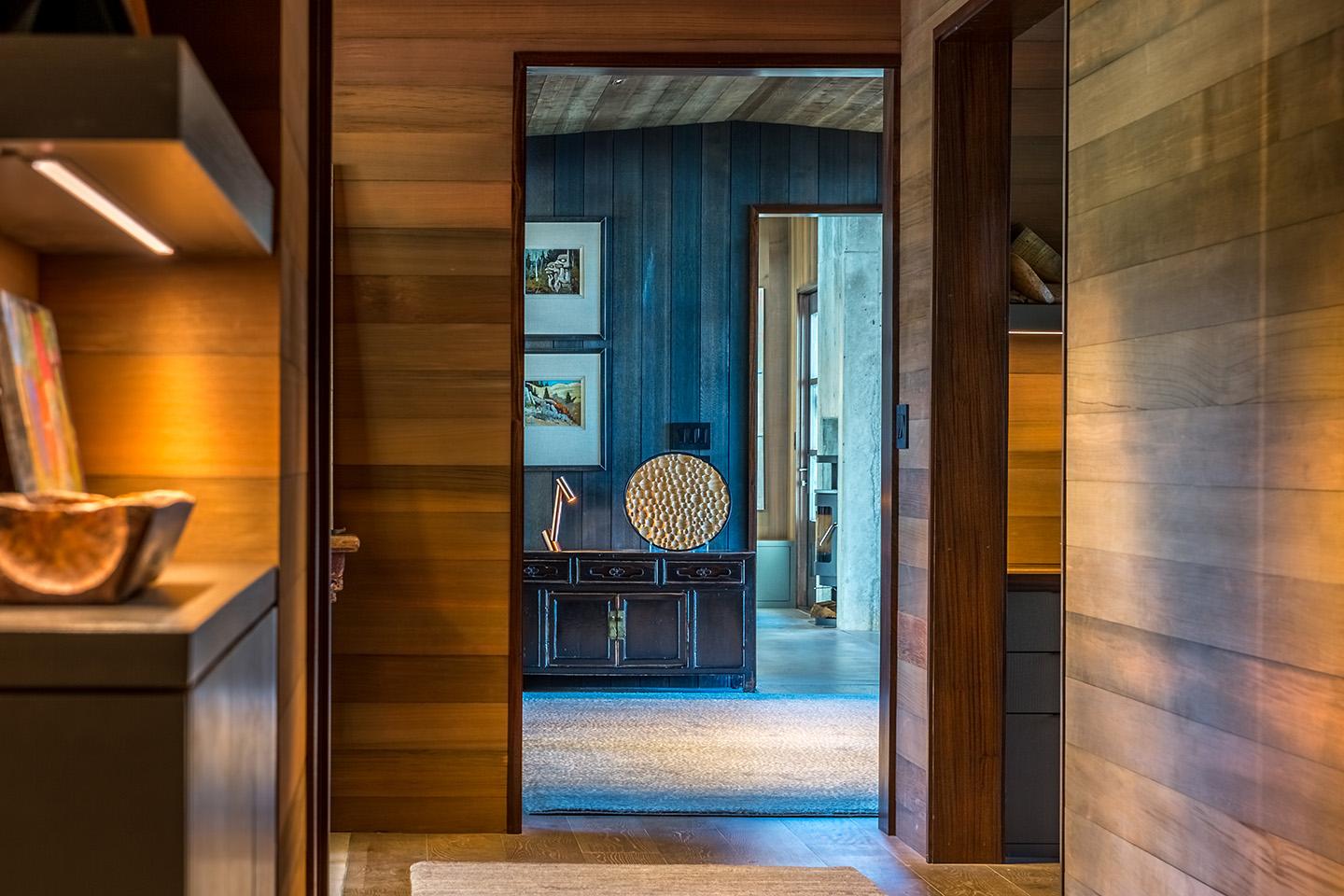
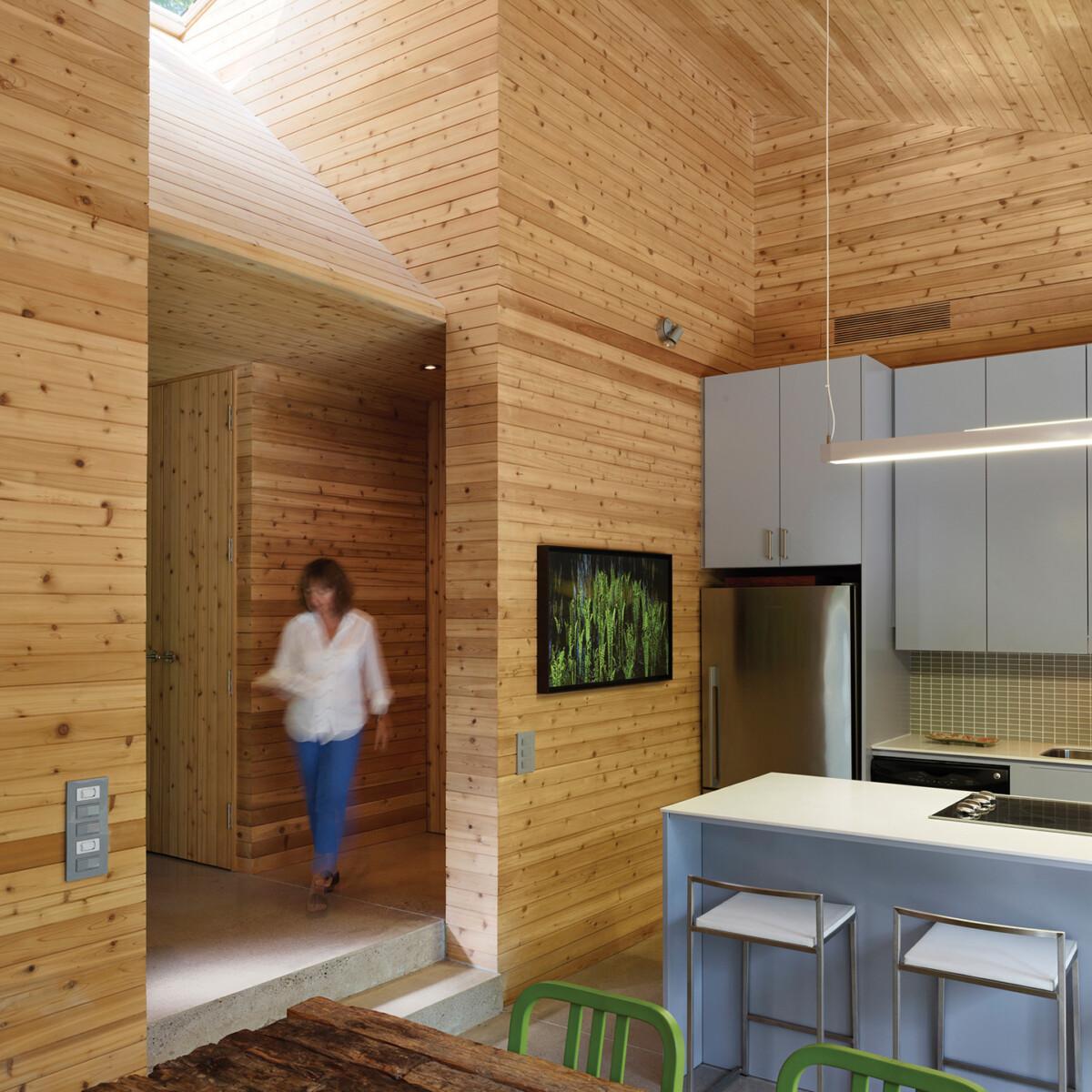
By incorporating Western Red Cedar into indoor projects, you can bring nature indoors, promoting wellbeing, reducing stress, and improving mental health for occupants. Wood can be featured in ceilings, walls, exposed posts, beams, furniture, and cabinets, enhancing the biophilic design of any space.
western red cedar & Biophilia case studies
Across the globe, Western Red Cedar is used on projects to successfully meet biophilic design goals. Our recently published AIA Continuing Education Biophilia Whitepaper illustrates in detail about the use of Western Red Cedar and biophilia, starting from the basic principles to how designers can incorporate biophilia in their projects. This free AIA download also includes details of the following case studies below, exemplifying the power of this material to create spaces that evoke and amplify a deep connection to nature.
Learn about the profound impact of Western Red Cedar on these projects:

Wood & Wellness
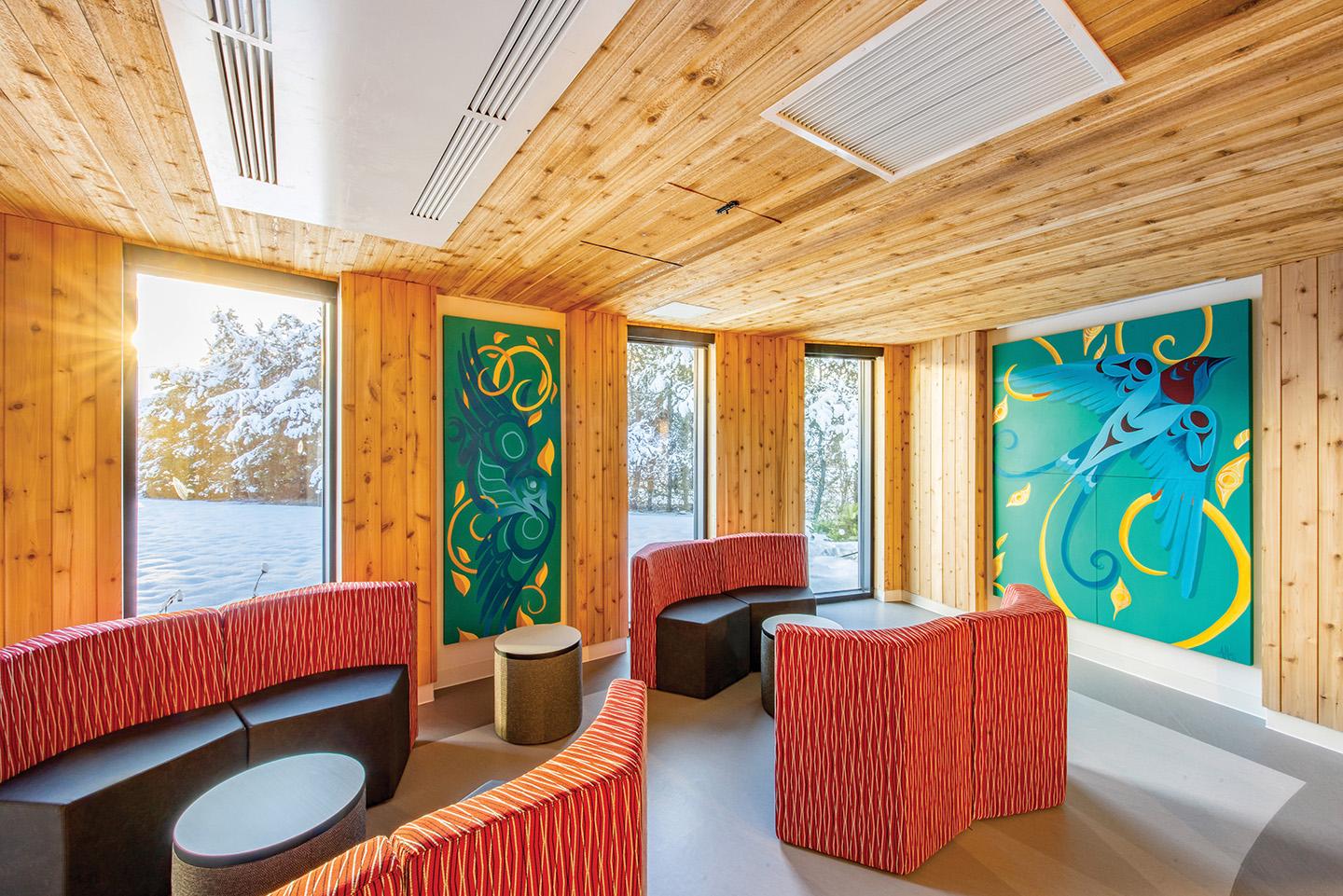
This project saw the transformation of a BC Cancer Supportive Care Center into a calming and healing environment, demonstrating the serenity and warmth that Western Red Cedar can bring.
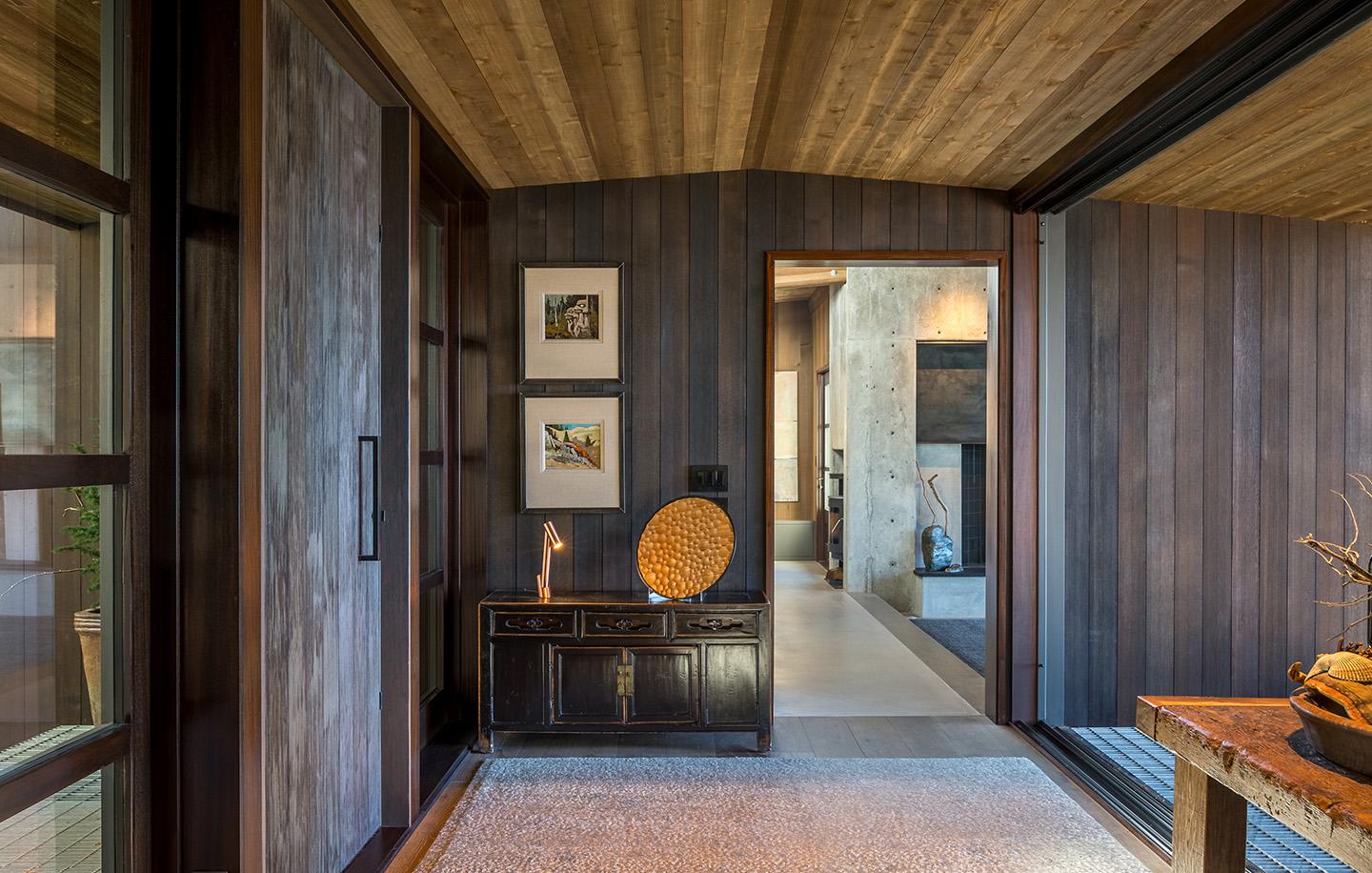
Kayak Point House
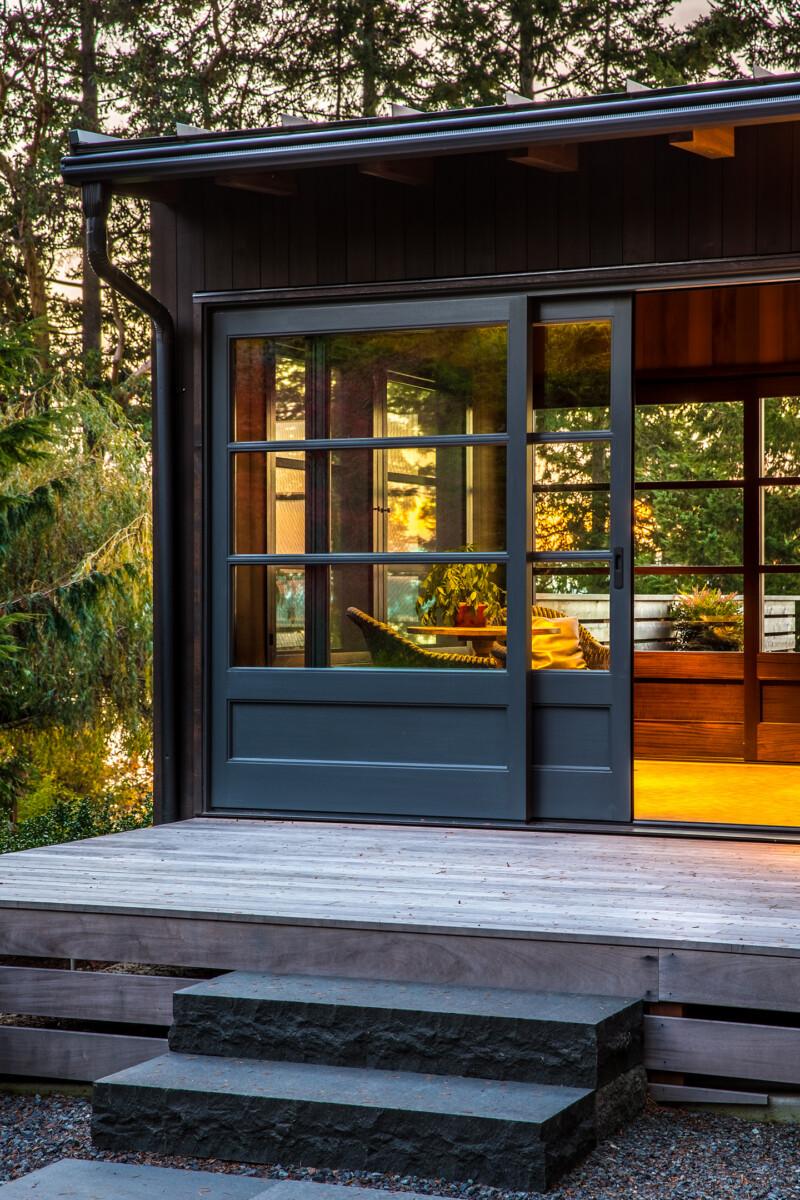
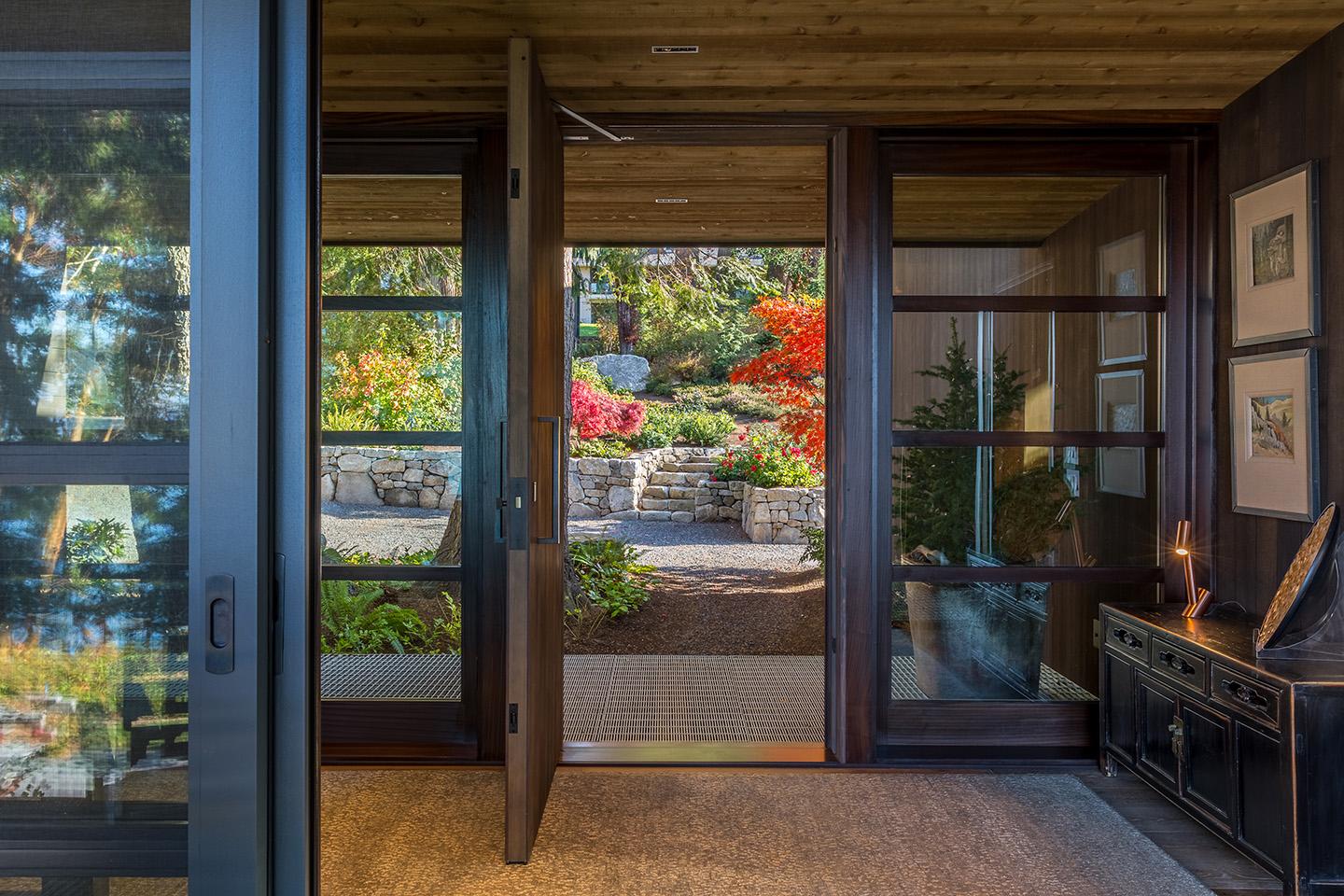
>Located in Stanwood, Washington, this project seamlessly blends modernism with natural surroundings. Architect Christopher Wright praises cedar for its “rich experiential quality” and ability to “suggest warmth and a connection to nature.”
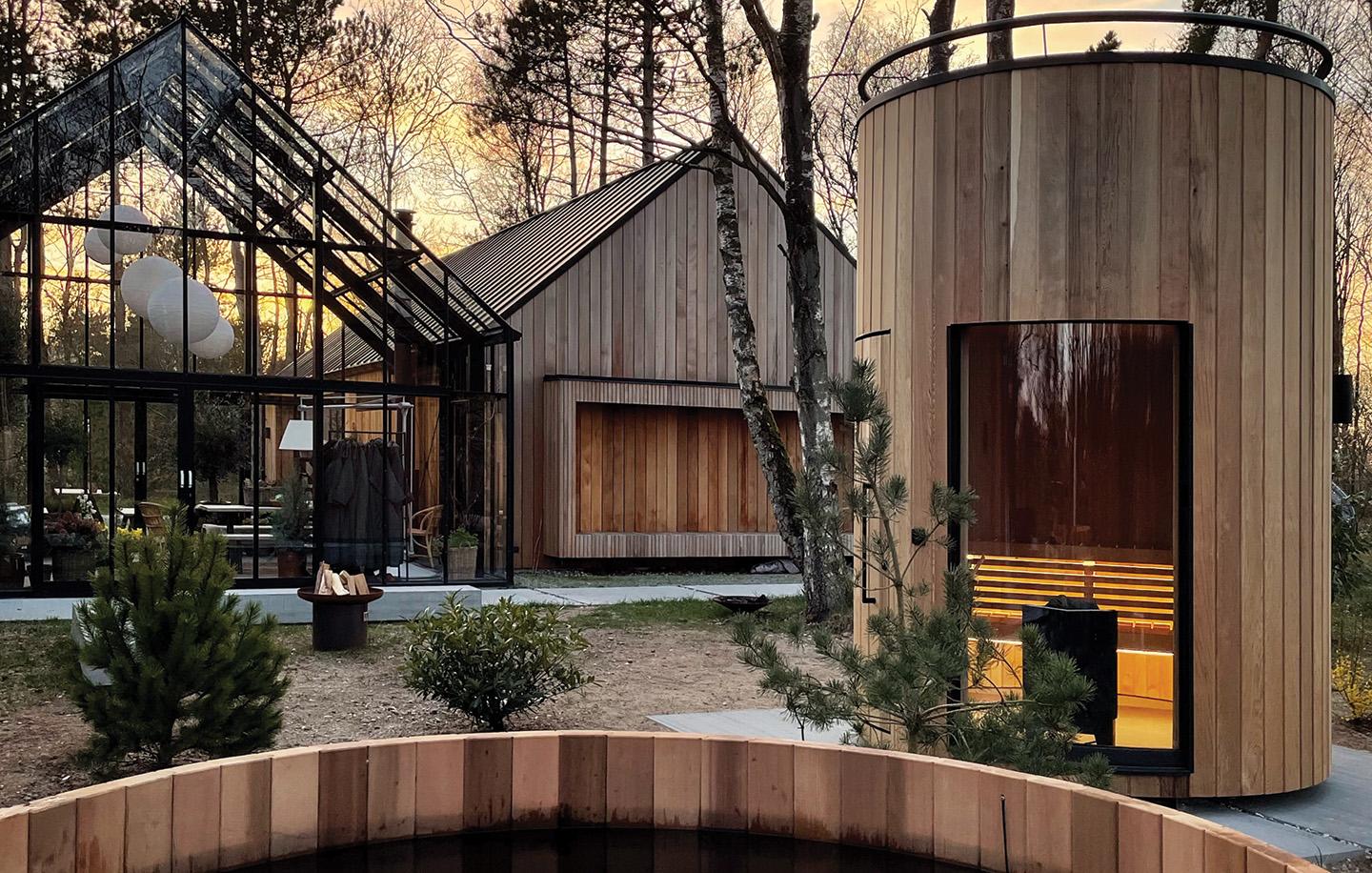
The Nordic Barn House Project
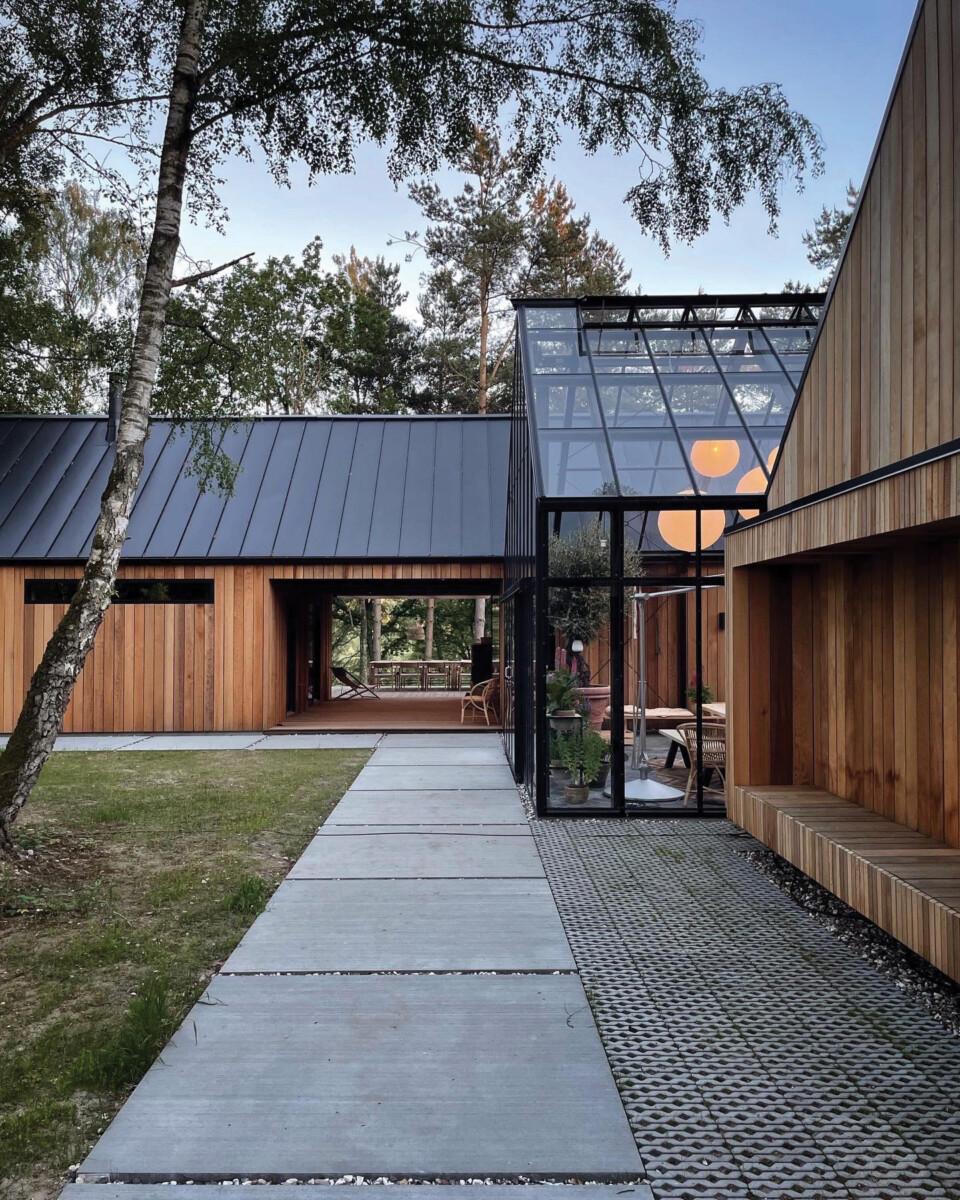
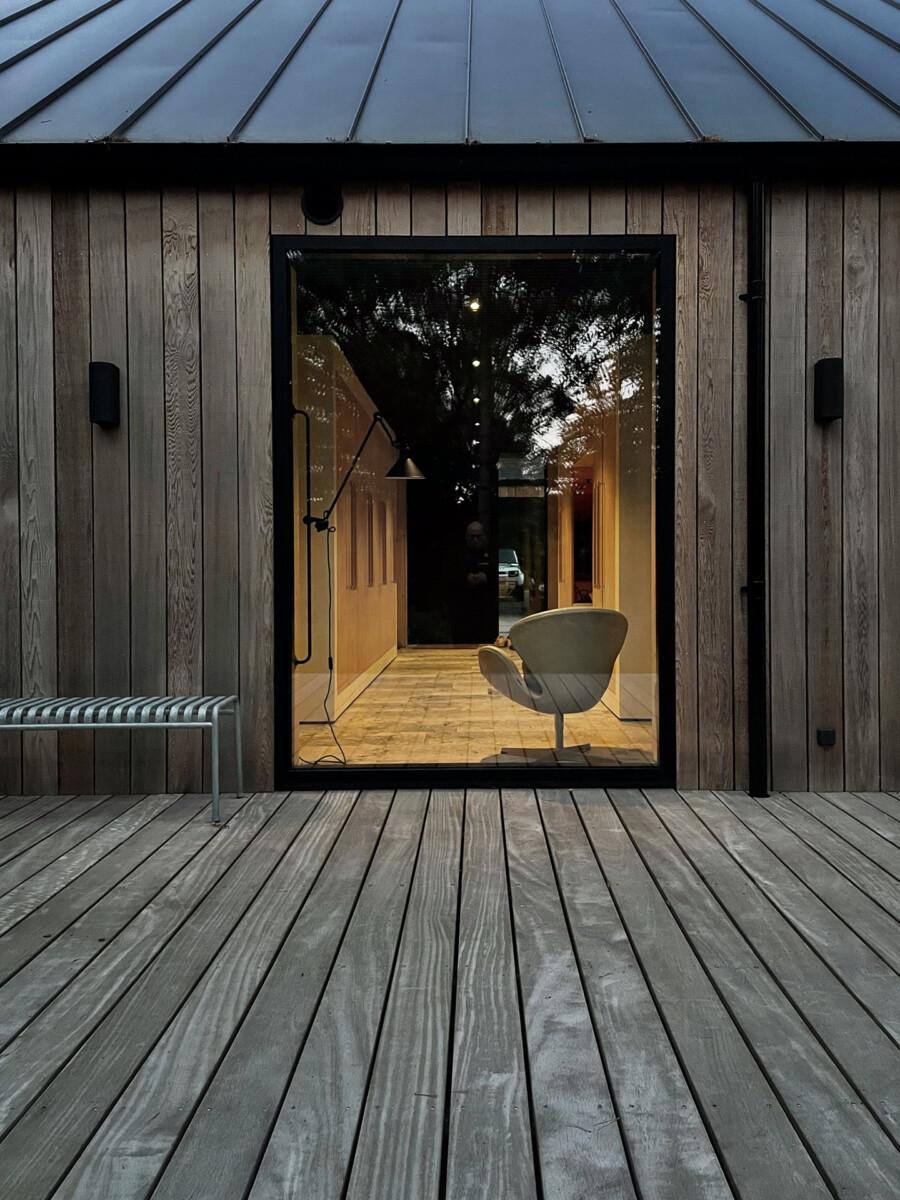
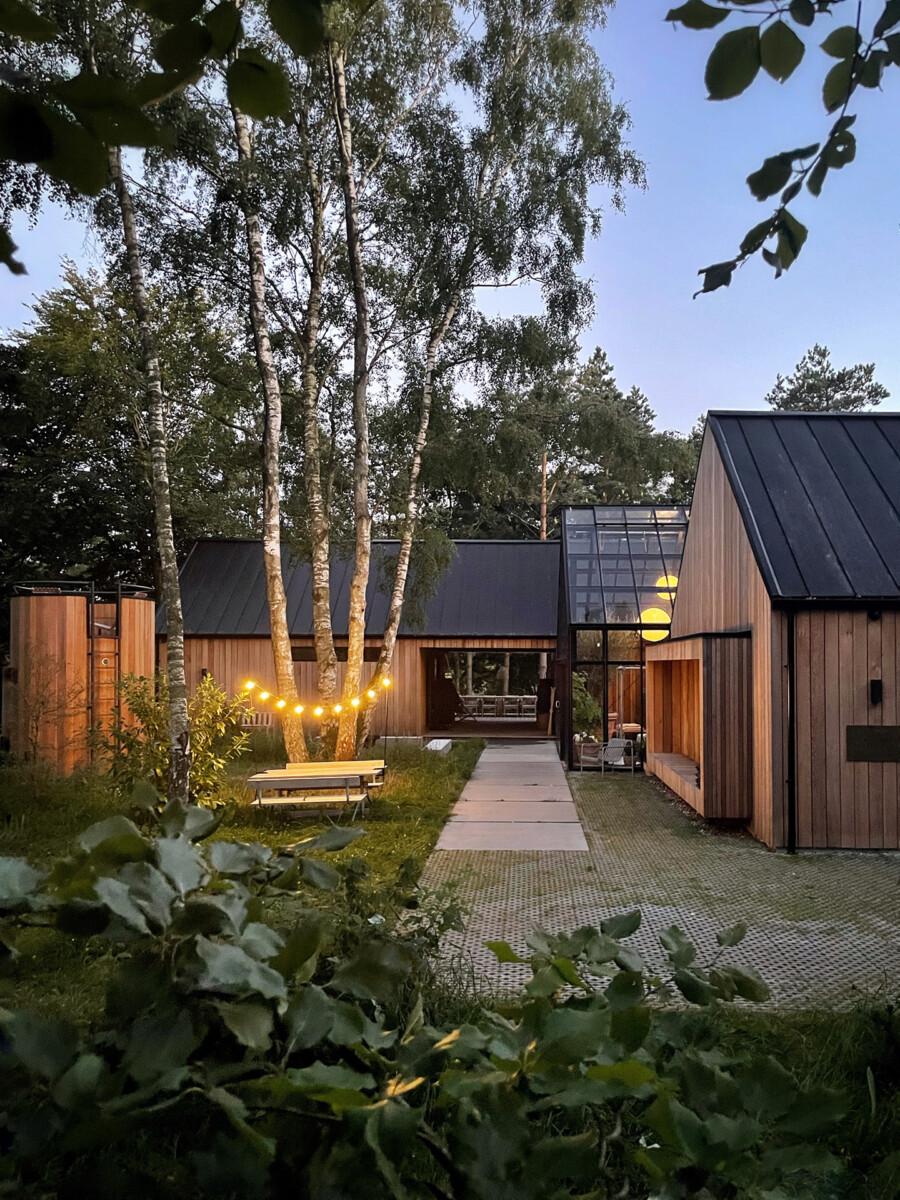
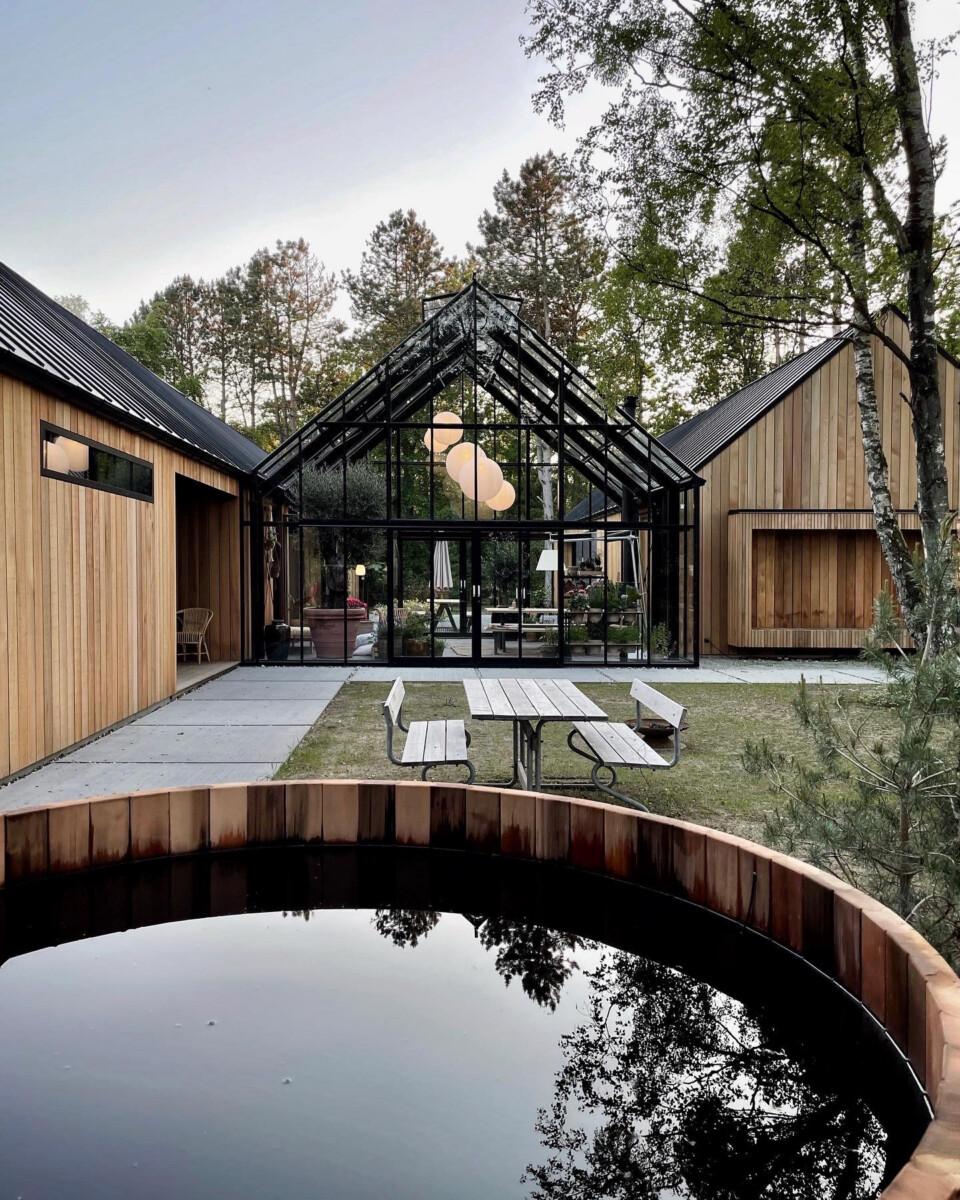
Based in Aarhus, Denmark, this spa-like oasis showcases the warmth, tactile appeal, and inherent charm of Western Red Cedar in creating a space that pays homage to nature in every detail.
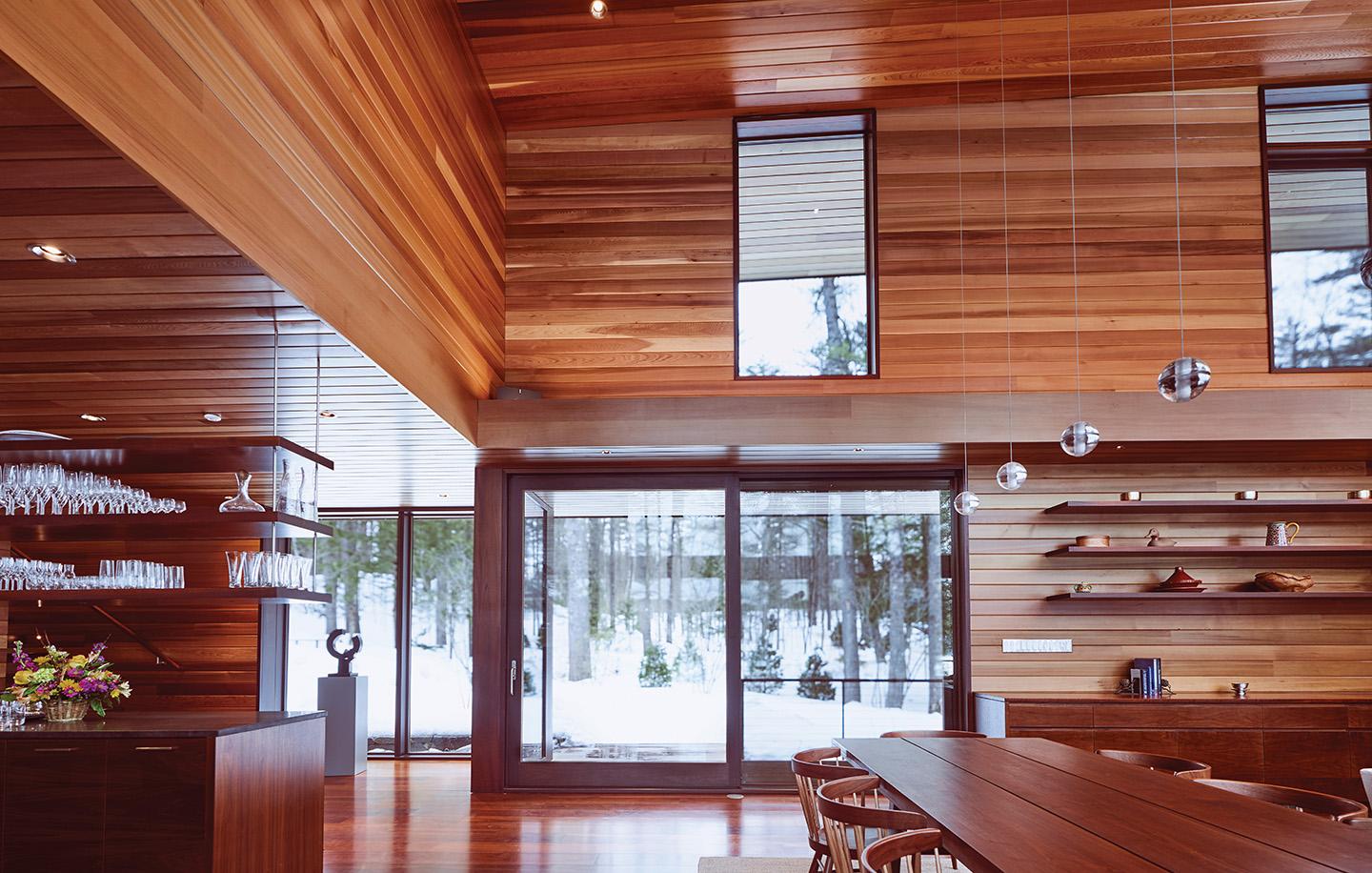
Shoreland Overlook
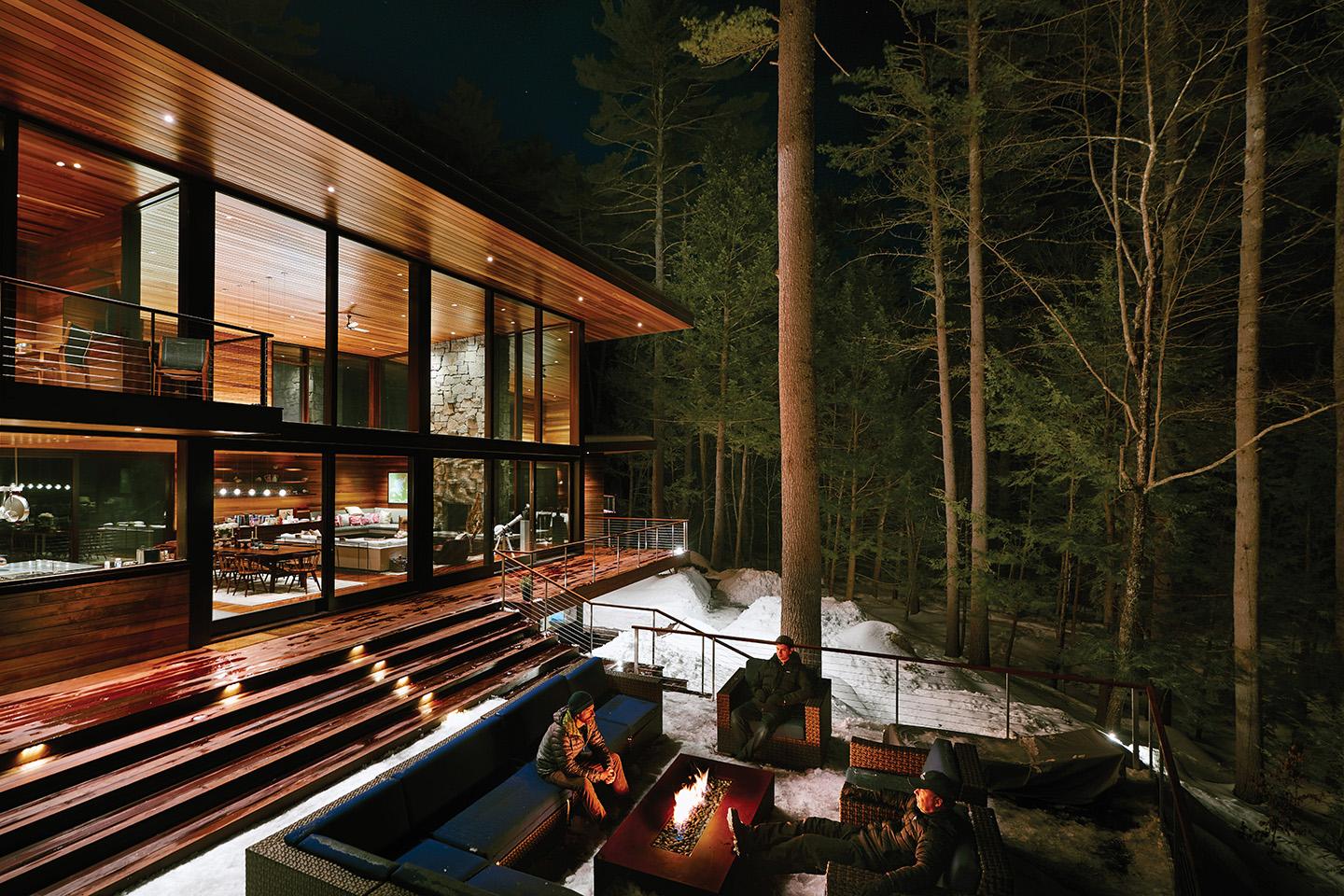
>Overlooking Squam Lake, New Hampshire, this eco-luxury weekend home harnesses Western Red Cedar’s robustness and flexibility to create a breathtaking lakeside setting.