Real Cedar Logo
cladding
Back
real cedar cladding
introduction
Back
cladding home
cladding gallery
why real cedar?
western red cedar characteristics
sustainability
biophilia
design & spec
Back
cladding grades
engineered cedar
cladding calculator
building
Back
preparation for installation
pre-building tips
dupont™ tyvek® drainwrap™
installation
general installation
installing profiles
finishing
Back
how to finish
types of finishes
care & maintenance
restoration
cladding profiles and trim
Back
t&g cladding
trim boards
bevel cladding
board and batten cladding
shiplap or channel cladding
shingle panels
western red cedar soffits
decking
Back
real cedar decking
introduction
Back
decking home
decking gallery
why real cedar?
western red cedar characteristics
sustainability
biophilia
engineered cedar
planning
Back
decking calculator
building
Back
fastener recommendations
stair & railing installation
finishing
Back
finishing tips
restoration
care & maintenance
deck projects
Back
roof deck
raised deck
ground level deck
uphill sloping lot deck
outdoor
Back
real cedar outdoor
introduction
Back
outdoor home
outdoor gallery
why real cedar?
western red cedar characteristics
sustainability
biophilia
engineered cedar
design & spec
Back
real cedar free diy project plans
design tips
building
Back
project preparation
outdoor fasteners
fence construction
fence specifications
prebuilt fence panels
finishing
Back
finishing techniques
finishing tips
restoration tips
project care & maintenance
fencing
Back
fencing home
fence construction
fence specifications
prebuilt fence panels
indoor
Back
real cedar indoor
introduction
Back
indoor home
indoor gallery
why real cedar?
western red cedar characteristics
sustainability
biophilia
engineered cedar
building products
Back
building preparation
design tips
finishing
Back
finishing tips
care & maintenance
indoor projects
Back
indoor t&g paneling
cedar saunas
doors & windows
blinds & shutters
timbers
Back
real cedar timbers
introduction
Back
timbers home
timbers gallery
why real cedar?
western red cedar characteristics
sustainability
biophilia
engineered cedar
planning
Back
grades and specifications
building
Back
preparation
installation
maintenance
Back
finishing
restoring western red cedar timbers
care & maintenance
resources
Back
real cedar resources
case studies
gallery
cedar books
Restoring Western Red Cedar Timbers
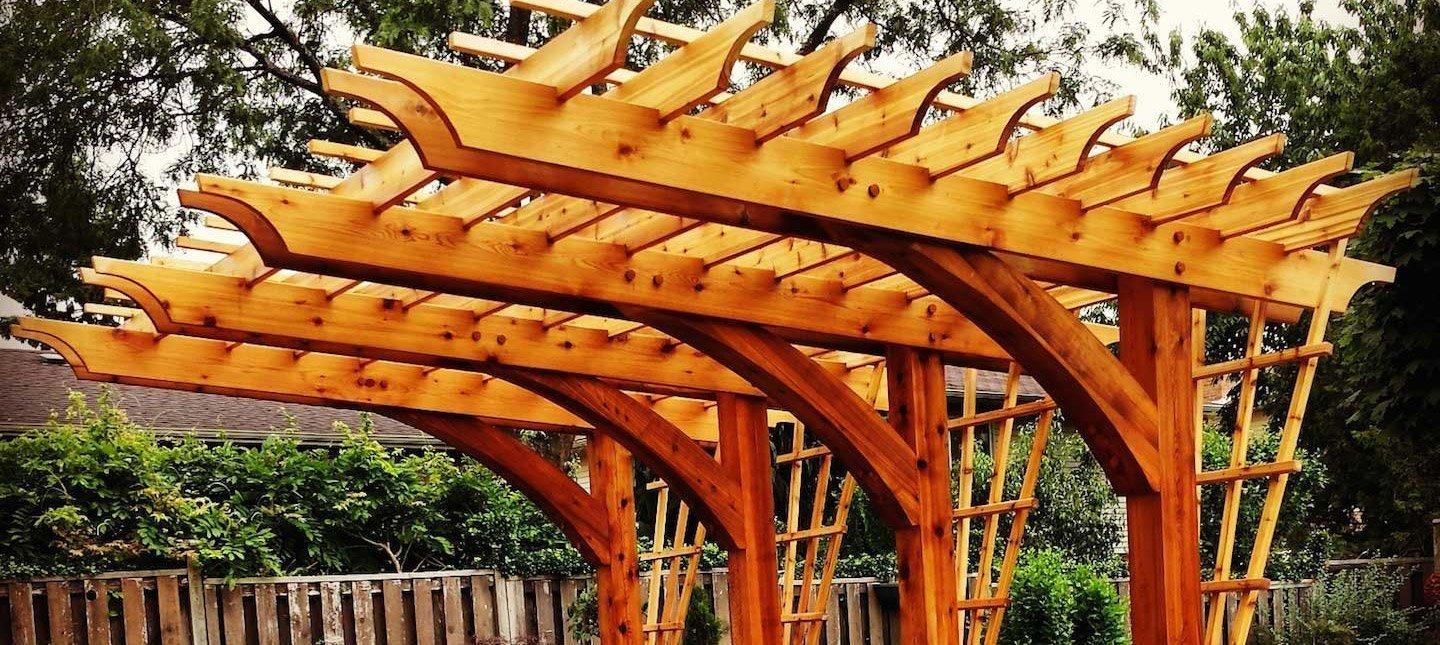
How to Restore Western Red Cedar Timbers

Western red cedar that has been finished with paints or solid-color stains is best refinished with the same type of finish originally applied. These finishes are sometimes used interchangeably but old latex coatings should always be refinished with latex coatings and never with oil-based coatings. Old oil-based finishes can be refinished with latex finishes only when the old oil-based finish has been properly cleaned and a primer coat applied first. Remember, that proper surface preparation and cleaning before refinishing are essential for optimal performance of the new finish coat or coats.

To refinish the old surface, first scrape away all loose, cracked or peeling finish. Sand the bare wood and any remaining finish to “feather” the edges smooth with the bare wood. Mildew must be killed and removed before western red cedar is refinished, or the mildew will grow through the new paint coat or solid-color stain. Removal can be done with a commercial mildew remover or mix oxygen bleach crystals, such as Oxiclean, with warm water and spray on affected area. Let the chemicals work for about 20 minutes and agitate with a bristle brush, then rinse with a garden hose. Allow the washed surface to dry thoroughly before recoating and apply primer paint to areas of bare wood. After the primer has dried, apply one or two topcoats of paint or solid-color stain. Two topcoats are always better over bare wood that has been primed.

Weathered water-repellent preservative finishes should be cleaned with a non-ferrous bristle brush to remove loose fibers and dirt. If the surface is soiled, it may be scrubbed with a mild soap solution. If mildew is present, it should be killed with an oxygen bleach solution. After that, the surface should be thoroughly rinsed and allowed to dry completely before refinishing. Important: Do not use ferrous wire brushes for surface preparation.

Caution: Never mix bleach with detergents containing Ammonia, as the fumes can be harmful.

© 2026 All rights reserved
Gatsby Website Development by Jambaree

Image Gallery