


Architect Spotlight: Turner Road Architecture
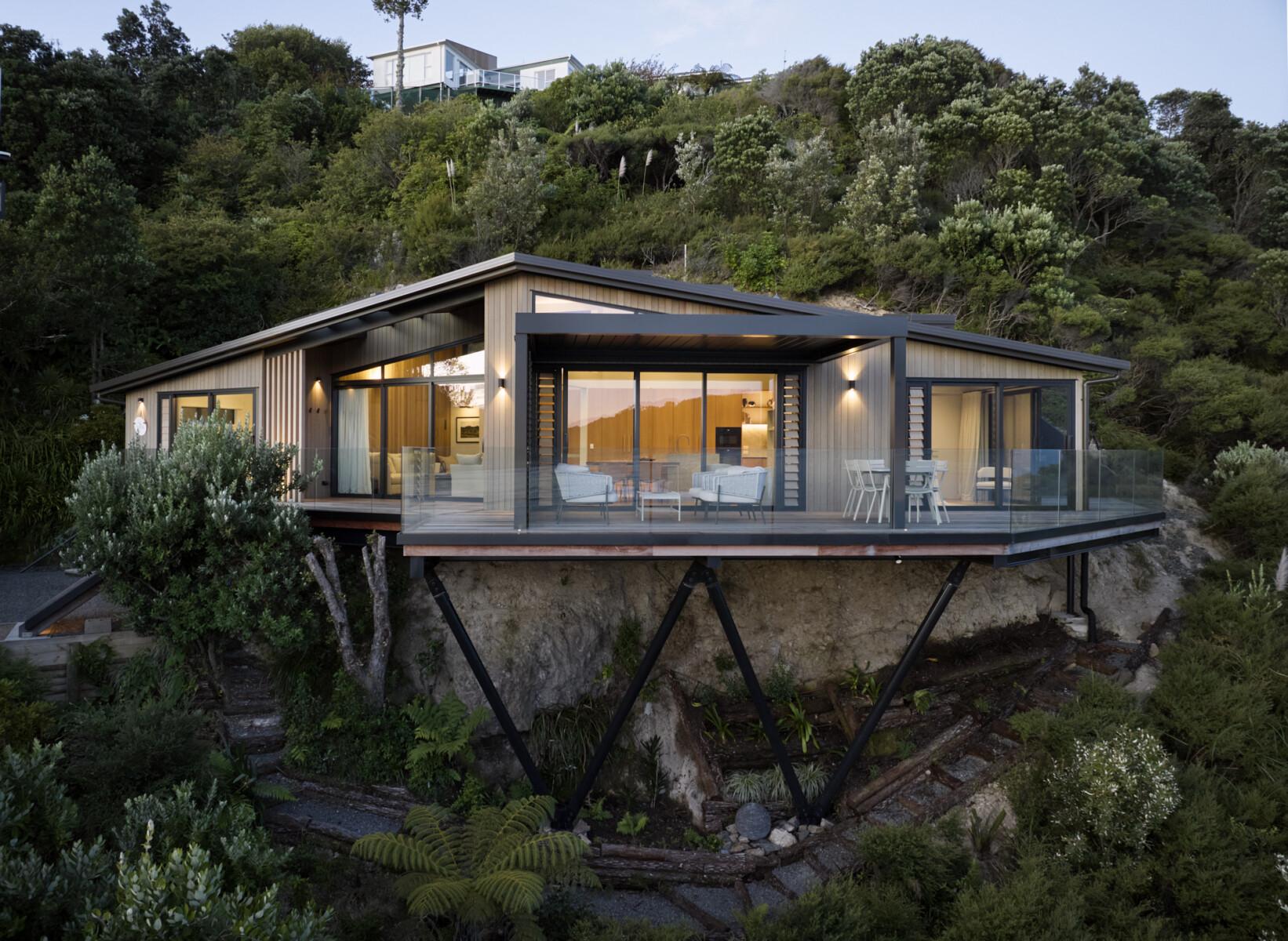
Bringing site-responsive design to New Zealand’s residential and hospitality space through calm forms, rigorous detailing, and timber used with intent
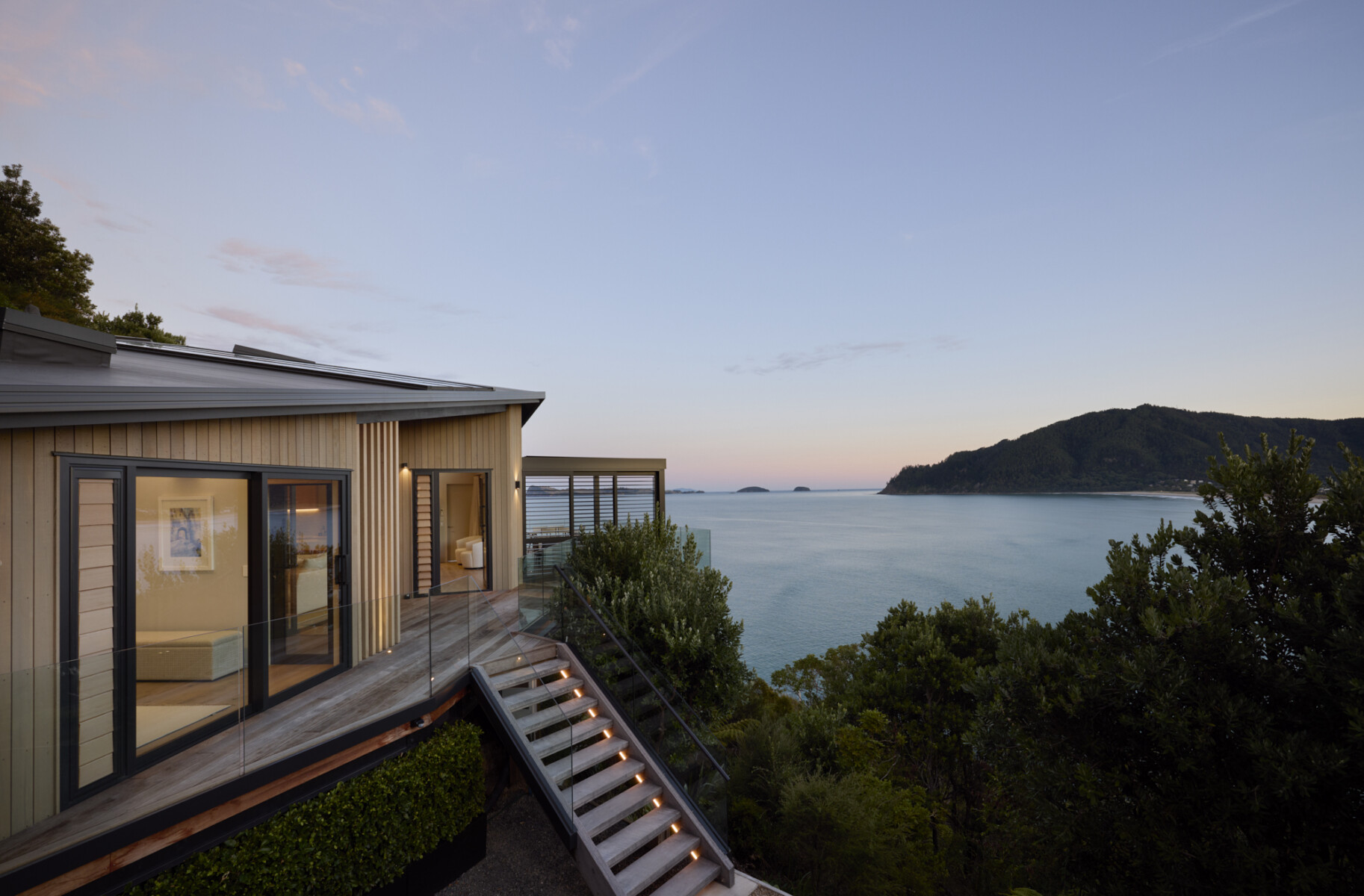
Photo: Amanda Aitken
In a landscape as majestic and varied as New Zealand’s, the strongest architecture often does less to achieve more. Turner Road Architecture treats that reality as a design driver, not a constraint. Before any lines are drawn, the studio starts with close listening and a willingness to refine— an approach that produces buildings that feel resolved rather than overworked. That discipline carries through to the material palette, treated as an organising idea from the outset, not a finish applied at the end.
“We think about materials as part of the overall story of a building, not something that gets applied at the end,” explains Lee Turner, Director and Head Architectural Designer.
High quality wood products are central to that story, particularly when it’s set against more robust elements like concrete, steel, and expansive glazing. “Timber is a really important part of that for us,” continues Turner. “It brings warmth, texture, and a human scale that balances more robust materials like concrete and steel. Used well, it softens a building and helps it settle into its environment.”
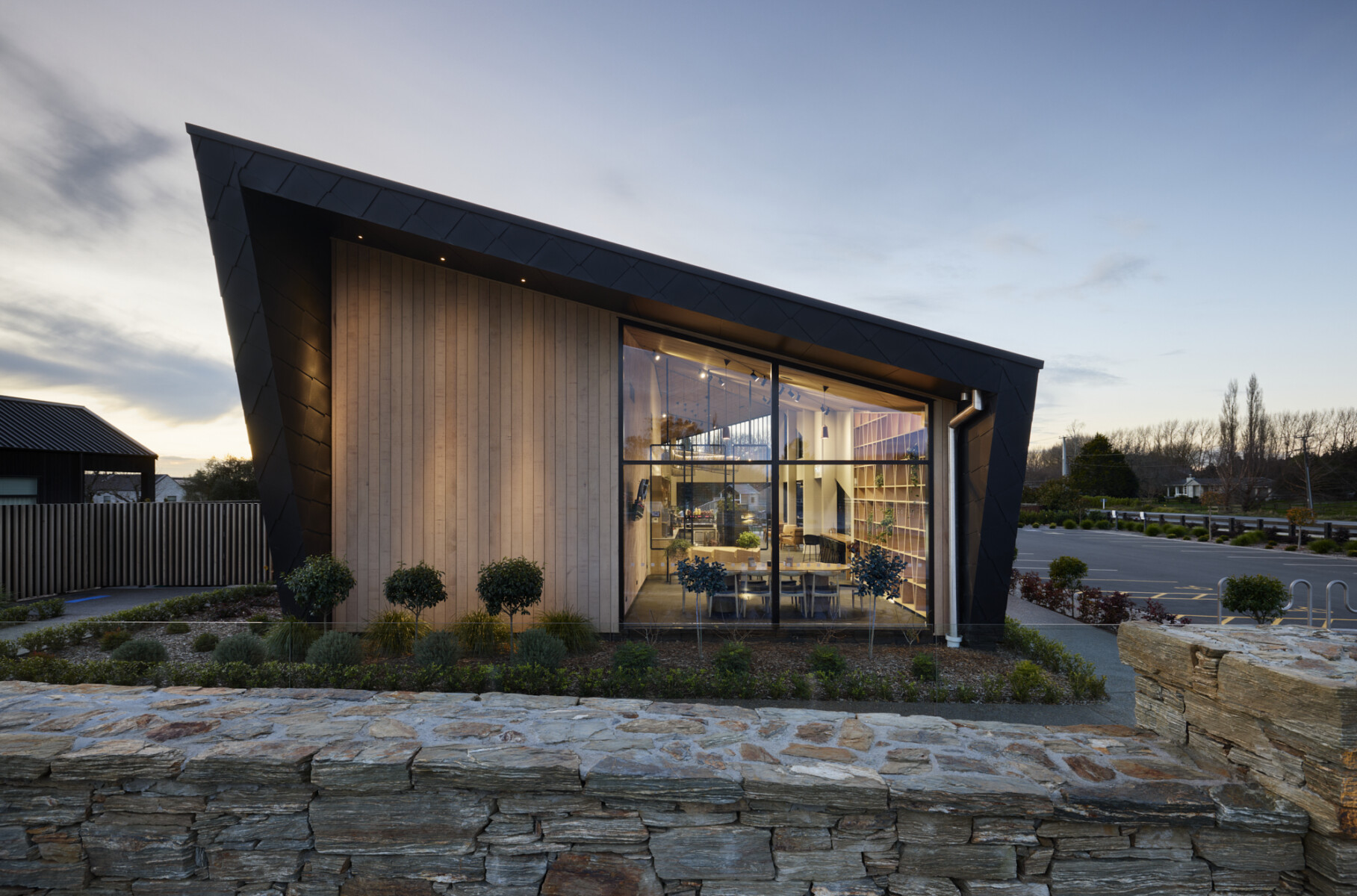
Photo: Amanda Aitken
Creating inviting spaces for breaking bread
A clear example of this philosophy at a public scale is the Tamahere Country Club Café. Set beside the retirement village on the outskirts of Hamilton, the eatery’s shifting geometric roofline gives it a sculptural presence. But the experience is aimed squarely at comfort—welcoming, relaxed, and open to the landscape. To meet these objectives, Western Red Cedar was used in a number of key areas throughout the project.
Externally, it forms the vertical louvres that sit over sections of glazing on the northern and western elevations. The louvres shade the interior while still allowing natural light and airflow, and help define the outdoor dining area. Cedar was also used to line the ceiling of the covered outdoor seating space, adding an inviting amber glow to the alfresco area.
“Western Red Cedar was chosen because it introduces warmth and natural texture to a building that has quite strong architectural forms,” says Turner. “It also performs well externally and works beautifully in hospitality environments where indoor and outdoor spaces are closely connected.”
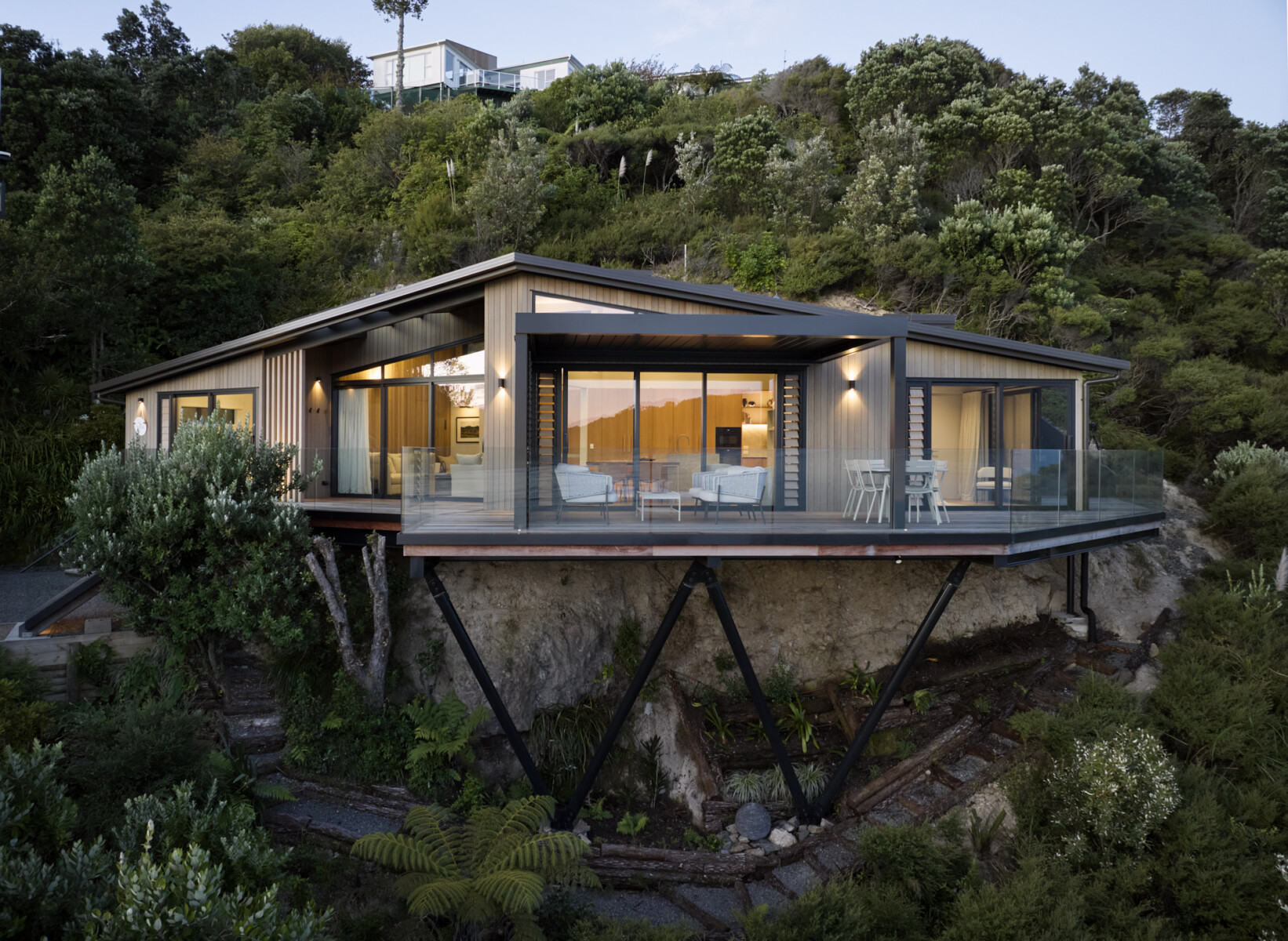
Photo: Amanda Aitken
Building homes that perform in coastal conditions
Turner Road applies the same material discipline in its residential work—using timber to soften, connect, and perform, rather than to decorate. Cliff Hanger House, perched high on the slopes of Mount Paku above Tairua Harbour, shows how that intent translates in a more extreme coastal setting: a compact home oriented to view and exposure, where lightness and durability have to coexist. On this waterfront property, Real Cedar earns its place through performance as much as presence.
“Cedar performs very well in coastal environments,” says Turner. “It’s durable, stable, and weathers beautifully over time, which makes it a practical choice for a house exposed to wind and sea air.”
But the decision is also compositional—cedar as a counterpoint to steel and glass, ensuring the home’s engineered elements don’t read as hard-edged against the landscape. As Turner ‘notes: “From a design perspective, the warmth and texture of cedar helped balance the more engineered elements of the project, like the steel structure and large areas of glazing.”